SHARE
NewsVest:
Expert Discussion: Political and Security Influences Continue to Shape Relations in the Western Balkans
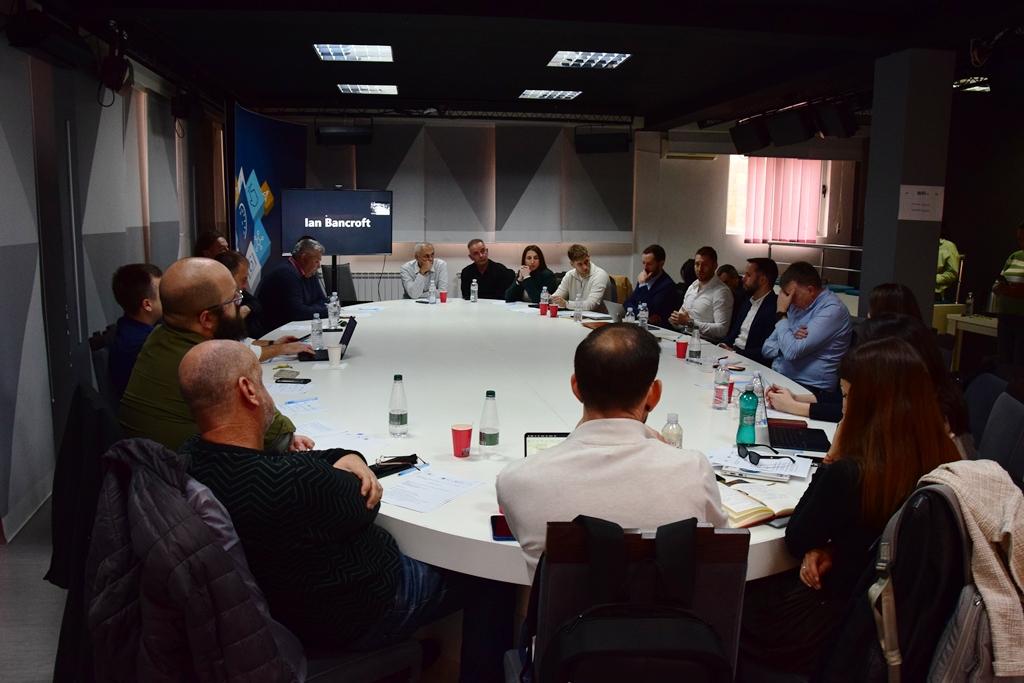
Political, media and economic influences of certain actors continue to strongly define the region’s security landscape, concluded participants of the workshop on security and stability impacts in the region, held on 23 October 2025, at the Civic Energy Center (CEC) in North Mitrovica.
The discussion was substantial and dynamic, as participants exchanged views on current political and security challenges in the region, as well as on opportunities to strengthen regional cooperation, institutional resilience, and transparent governance. A particular focus of the debate was the process of normalising relations between Kosovo and Serbia, along with various forms of influence through media manipulation, disinformation, and political pressure, which negatively affect dialogue and stability.

Participants emphasised that, due to such turbulent relations, there is an increasing need for international mediation—especially in reviving socio-political dialogue and revitalising talks within the Brussels process. This, they noted, would create a foundation for meaningful and long-term progress in the normalisation process, with a positive impact on broader regional stability.

It was concluded that such initiatives contribute to a better understanding of contemporary security challenges and to strengthening democratic resilience and stability in the Western Balkans, while also fostering connections between regional and European actors in their joint work toward sustainable peace and cooperation.
The workshop was part of the project “Building the ‘Serbian World’: Serbia’s Influence on Security and Stability in the Western Balkans,” implemented by civil society organisations from the region and Central Europe with the support of the International Visegrad Fund. The project runs from June 2025 to March 2026 and brings together civil society partners from Serbia, Kosovo, Montenegro, Bosnia and Herzegovina, Poland, and Slovakia.
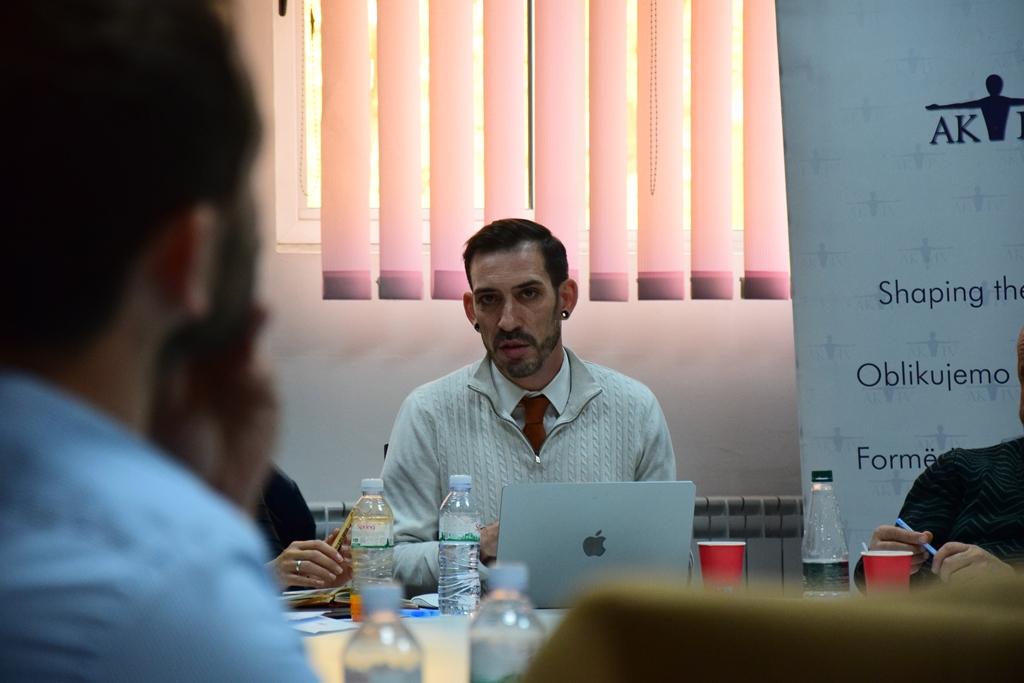
The lead organisation in Kosovo is NGO Aktiv, in cooperation with the Belgrade Centre for Security Policy (BCSP), Digital Forensic Center (DFC) from Montenegro, Foreign Policy Initiative BH (FPI BH) from Bosnia and Herzegovina, Res Publica Foundation from Poland, and BalkanViews from Slovakia.
This project is co-financed by the governments of Czechia, Hungary, Poland, and Slovakia through Visegrad Grants from the International Visegrad Fund. The mission of the fund is to advance ideas for sustainable regional cooperation in Central Europe.
Project description:
RELATED

Datum: 24.06.2026.
Autor: Beogradski centar za bezbednosnu politiku
Political, media and economic influences of certain actors continue to strongly define the region’s security landscape, concluded participants of the workshop on security and stability impacts in the region, held on 23 October 2025, at the Civic Energy Center (CEC) in North Mitrovica.

Datum: 02.06.2026.
Autor: Beogradski centar za bezbednosnu politiku
The following transcript is from the opening speech by Pieter Omtzigt, former member of the Parliamentary Assembly of the Council of Europe (PACE) and former rapporteur on Pegasus and other spyware and secret state surveillance. The speech was delivered at the Sandbox Conference organised by the Civil Society Digital Security Network (CSDSN) in Tirana on 27 May 2026.
Datum: 29.05.2026.
Autor: Beogradski centar za bezbednosnu politiku
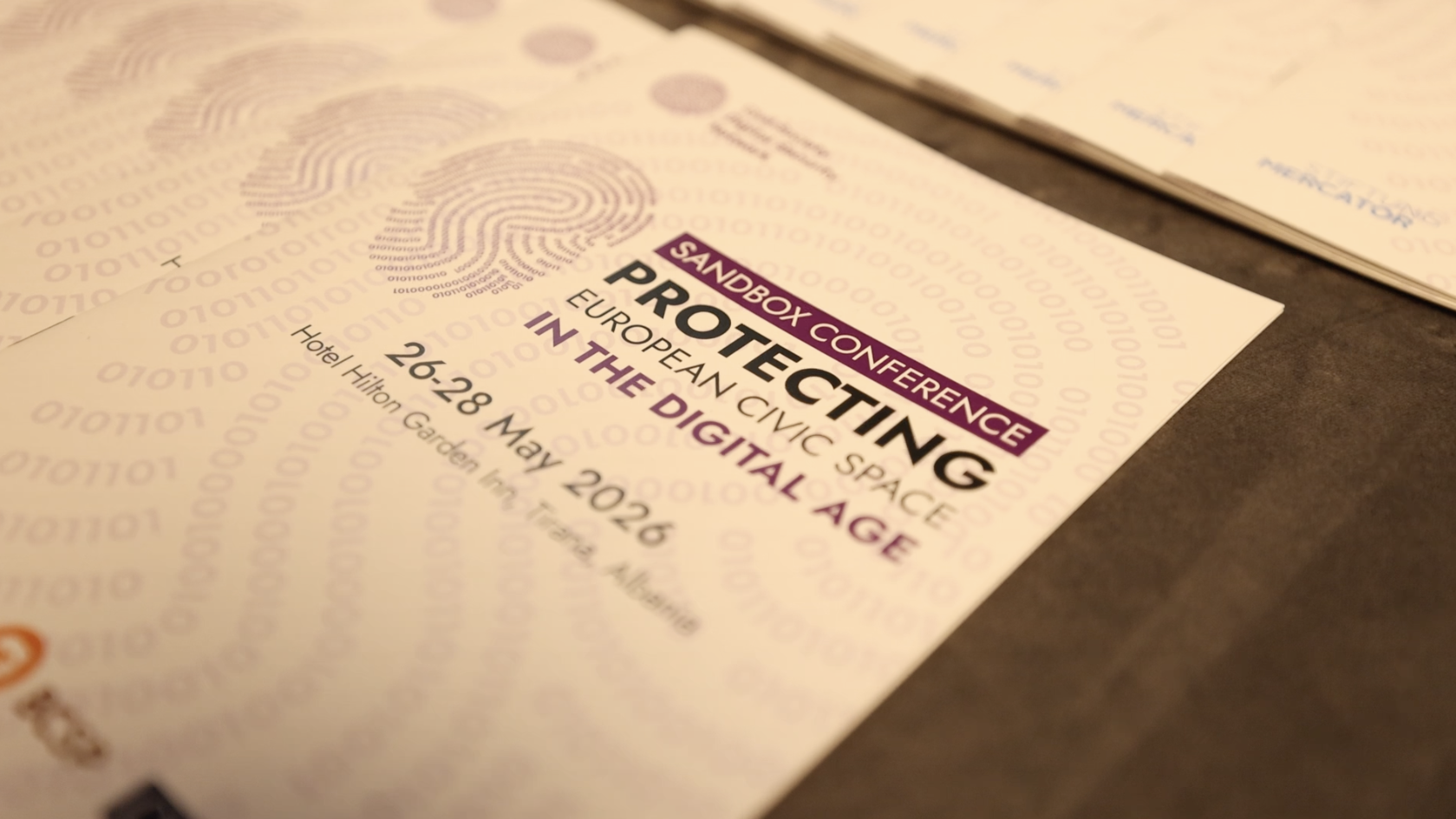
Civil Society Digital Security Network (CSDSN) brought together human rights defenders, journalists, activists, legal experts, and digital security specialists in Tirana, Albania, from 26 to 28 May 2026 for the Sandbox Conference "Protecting European Civic Space in the Digital Age". Supported by Stiftung Mercator, the conference served as a safe space for open dialogue on the growing digital threats facing civil society across the Western Balkans and the European Union.