





ACTUAL TOPICS: State Capture, Accountability, Organised crime
Datum: 06.08.2026.
Autor: Beogradski centar za bezbednosnu politiku
ACTUAL TOPICS: State Capture, Accountability, Organised crime The Belgrade Centre for Security Policy (BCSP) is an independent think-tank that contributes to advancing the security of people in accordance with democratic principles and respect for human rights through research, public advocacy, community development and education. WHO ARE WE? RECENT RESOURCES WHAT ARE WE RESEARCHING? ...
Datum: 21.07.2026.
Autor: Beogradski centar za bezbednosnu politiku
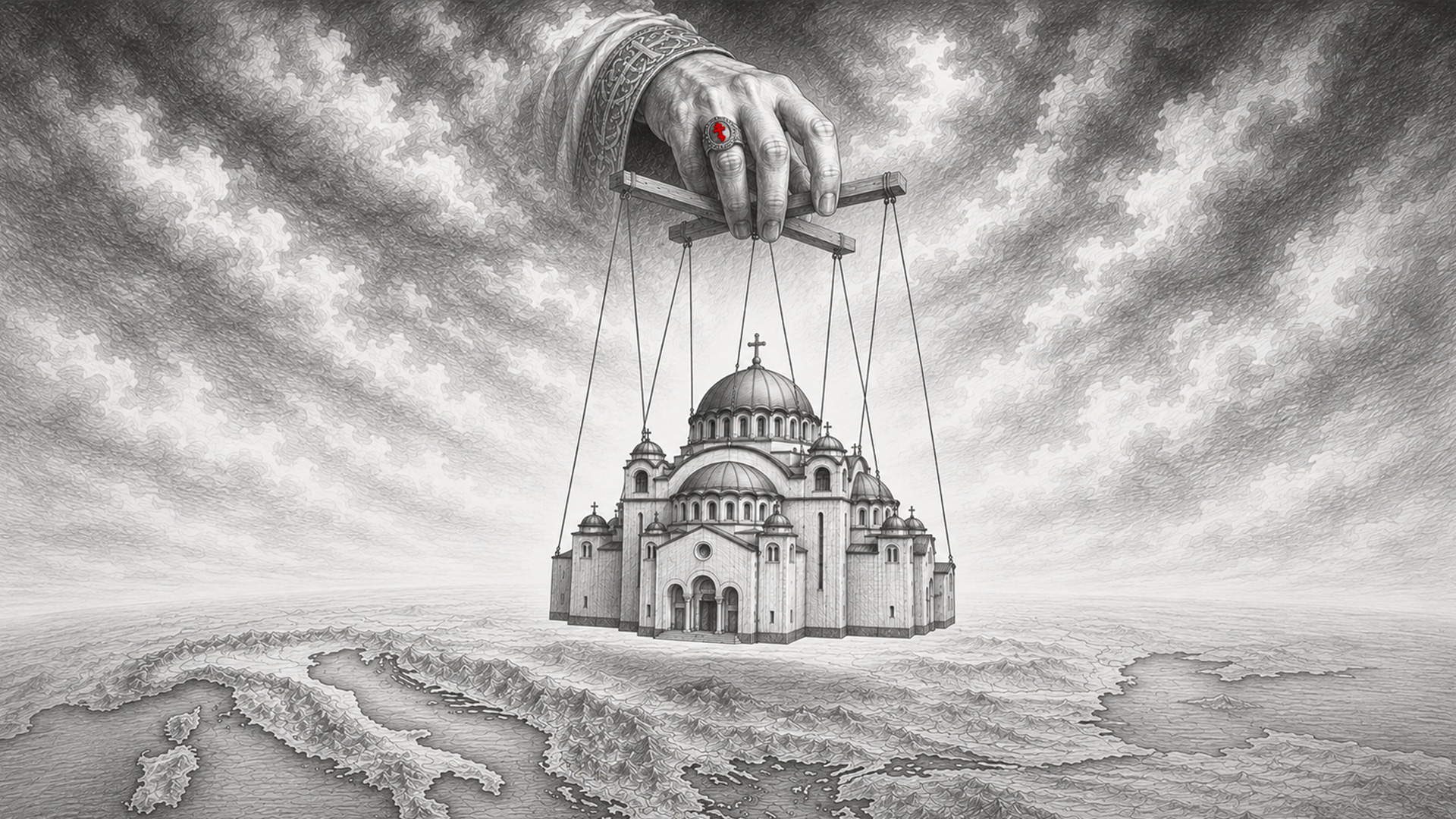
In November 2025, the Belgrade Centre for Security Policy published the policy brief Political and Institutional Crisis in Serbia: Possible Scenarios. The brief outlined four scenarios and their corresponding outcomes.
New Extremist Trends in Serbia: Anti-System Extremism, Extremist Telegram Channels and Eco-Extremism
Datum: 30.06.2026.
Autor: Beogradski centar za bezbednosnu politiku
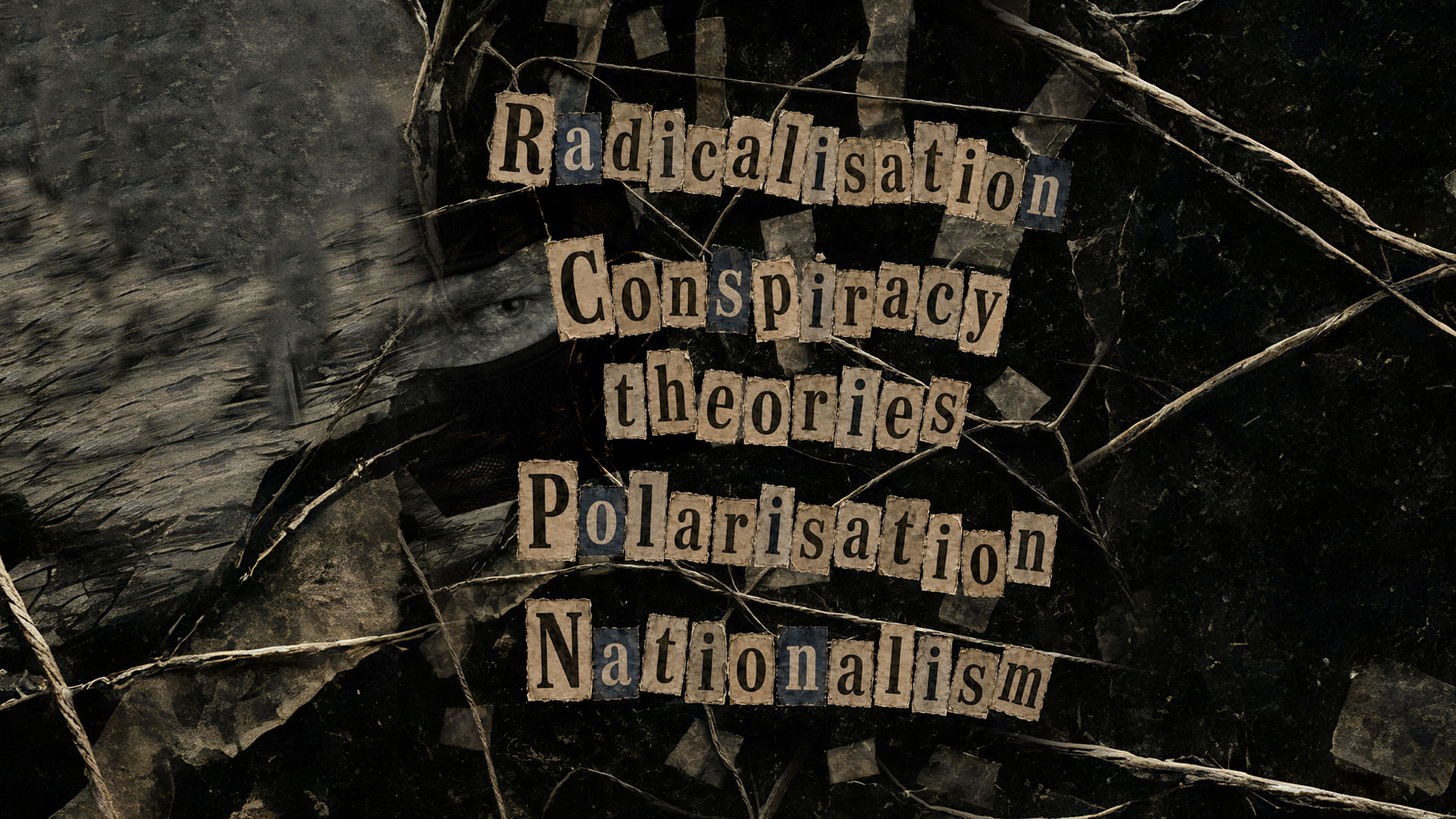
This report analyses recent and so far insufficiently explored forms of extremism in Serbia, with a particular focus on anti-system extremism, the role of the Telegram digital platform and the instrumentalisation of environmental issues.
Datum: 26.06.2026.
Autor: Beogradski centar za bezbednosnu politiku
The analysis explores how far-right Telegram channels instrumentalise opposition to the Rio Tinto project and lithium mining in Serbia to amplify their pre-existing nationalist and anti-Western narratives.

Datum: 25.06.2026.
Autor: Beogradski centar za bezbednosnu politiku
For the population of Serbia, this issue is exacerbated by the existing problems of galloping privatisation and destruction of public goods, especially natural resources. In the last decade, two sides of the environment have emerged and intensified in the local public.
Datum: 23.06.2026.
Autor: Beogradski centar za bezbednosnu politiku
Comparative analysis across Bosnia and Herzegovina, Montenegro, Serbia, North Macedonia, Albania, Croatia and France


Datum: 10.02.2026.
Autor: Beogradski centar za bezbednosnu politiku
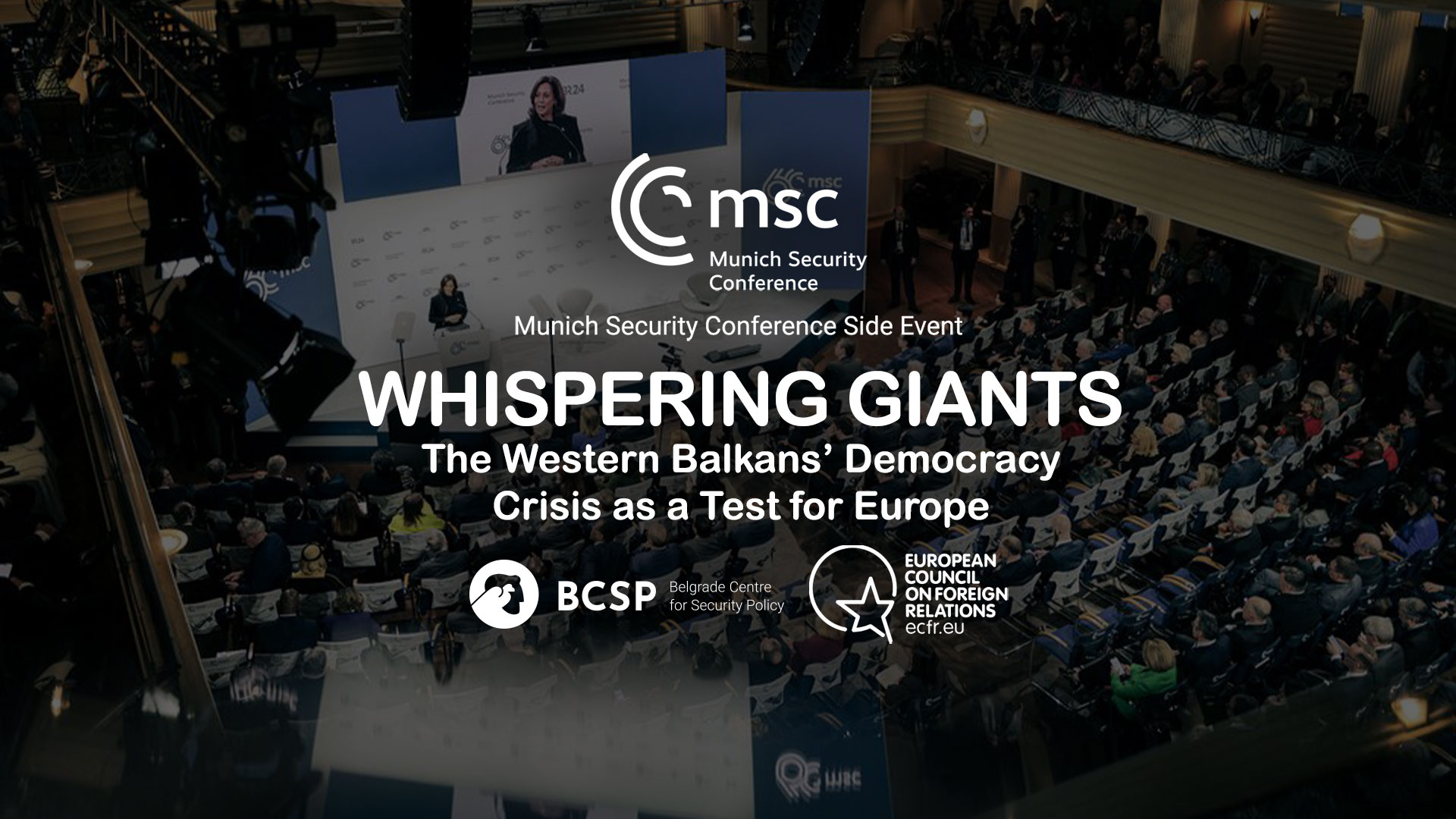
The Belgrade Centre for Security Policy (BCSP) and the European Council on Foreign Relations (ECFR) are co-hosting a side event "Whispering Giants: The Western Balkans’ Democracy Crisis as a Test for Europe," at this year’s Munich Security Conference on 13 February.
Datum: 30.10.2025.
Autor: Beogradski centar za bezbednosnu politiku
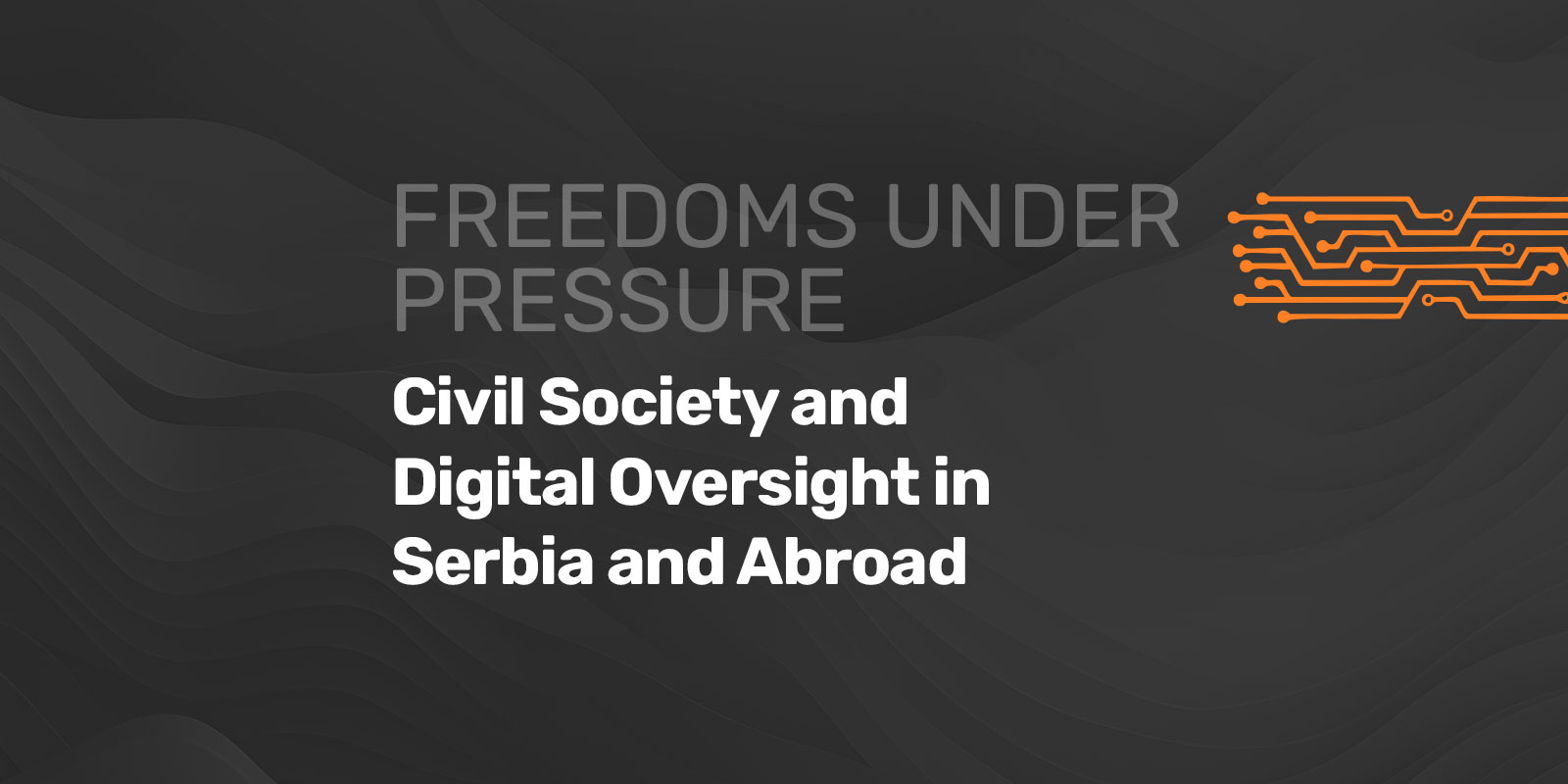
On 31 October at the Envoy Hotel, the Belgrade Centre for Security Policy (BCSP) will host a panel discussion titled “Freedoms Under Pressure: Civil Society and Digital Oversight in Serbia and Abroad”.

Datum: 18.02.2025.
Autor: Beogradski centar za bezbednosnu politiku
On 20 February 2025. at Envoy Conference, Belgrade Centre for Security Policy will present the latest research “Non-Malign Influence - What Does the Russian Community in Serbia Think and Do”.


Datum: 22.07.2022.
Autor: Beogradski centar za bezbednosnu politiku
25 years ago, the Belgrade Centre for Security Policy was founded.

Datum: 20.07.2022.
Autor: Beogradski centar za bezbednosnu politiku
In the video, find out more about the position of the Chinese and Vietnamese workers in Serbia and what the local population thinks about their integration into the community.

Datum: 20.07.2022.
Autor: Beogradski centar za bezbednosnu politiku
How do the citizens of Smederevo and Bor assess the state of the environment in their communities, and what are the fears of the citizens of Zrenjanin? Find out in the video.