PUBLICATIONS
Datum: 06.08.2026.
Autor: Beogradski centar za bezbednosnu politiku
PUBLICATIONS

Datum: 21.07.2026.
Autor: Beogradski centar za bezbednosnu politiku
In November 2025, the Belgrade Centre for Security Policy published the policy brief Political and Institutional Crisis in Serbia: Possible Scenarios. The brief outlined four scenarios and their corresponding outcomes.
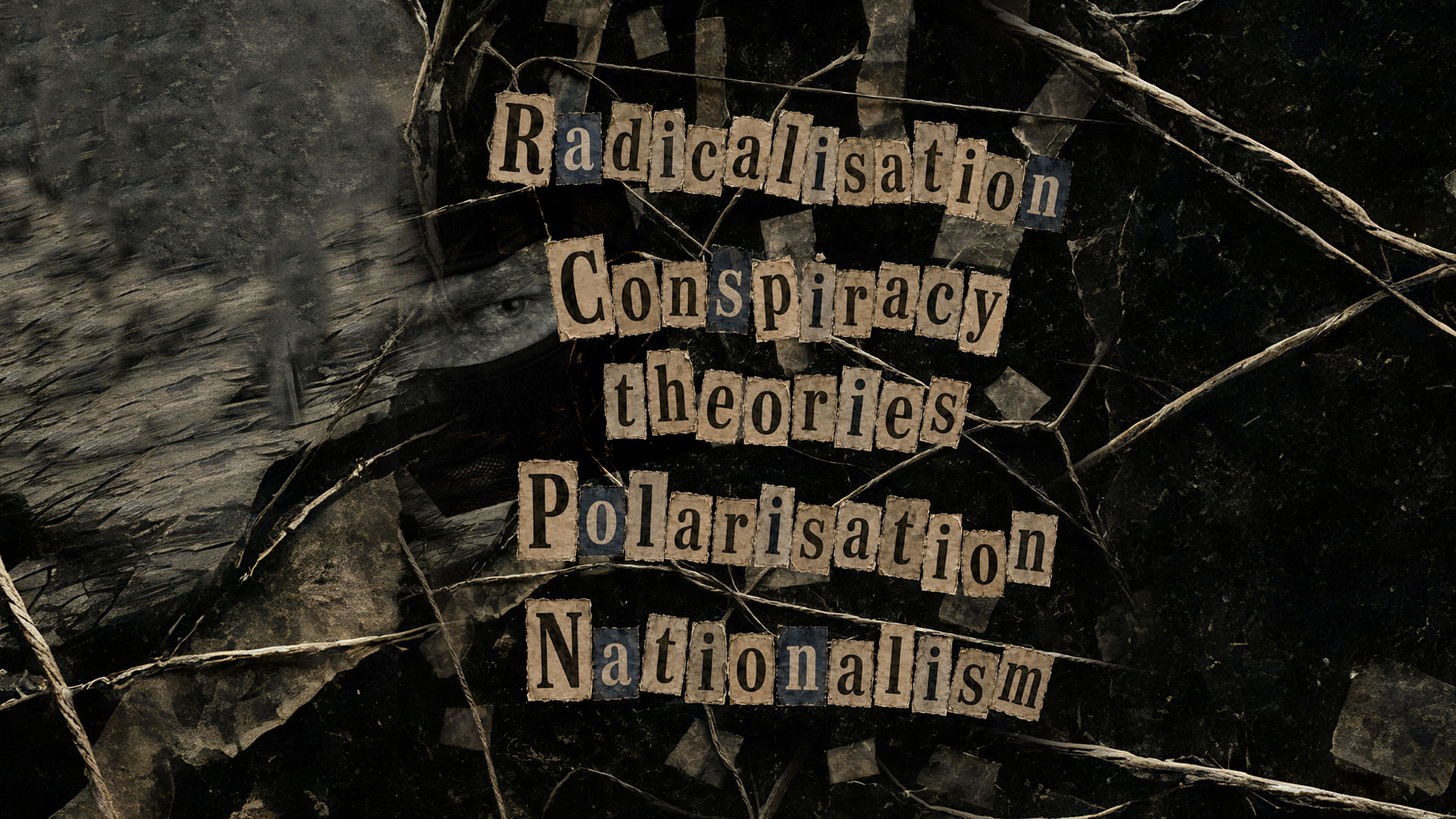
New Extremist Trends in Serbia: Anti-System Extremism, Extremist Telegram Channels and Eco-Extremism
Datum: 30.06.2026.
Autor: Beogradski centar za bezbednosnu politiku
This report analyses recent and so far insufficiently explored forms of extremism in Serbia, with a particular focus on anti-system extremism, the role of the Telegram digital platform and the instrumentalisation of environmental issues.

Datum: 26.06.2026.
Autor: Beogradski centar za bezbednosnu politiku
The analysis explores how far-right Telegram channels instrumentalise opposition to the Rio Tinto project and lithium mining in Serbia to amplify their pre-existing nationalist and anti-Western narratives.

Datum: 25.06.2026.
Autor: Beogradski centar za bezbednosnu politiku
For the population of Serbia, this issue is exacerbated by the existing problems of galloping privatisation and destruction of public goods, especially natural resources. In the last decade, two sides of the environment have emerged and intensified in the local public.
Datum: 23.06.2026.
Autor: Beogradski centar za bezbednosnu politiku
Comparative analysis across Bosnia and Herzegovina, Montenegro, Serbia, North Macedonia, Albania, Croatia and France
Datum: 28.05.2026.
Autor: Beogradski centar za bezbednosnu politiku
As the coordinator of the Working Group for Chapter 24 within the National Convention on the European Union (NCEU), BCSP compiled joint comments from nine NCEU member organizations on the Draft Law on Internal Affairs, which was subject to official public debate in April 2026.
Datum: 27.05.2026.
Autor: Beogradski centar za bezbednosnu politiku
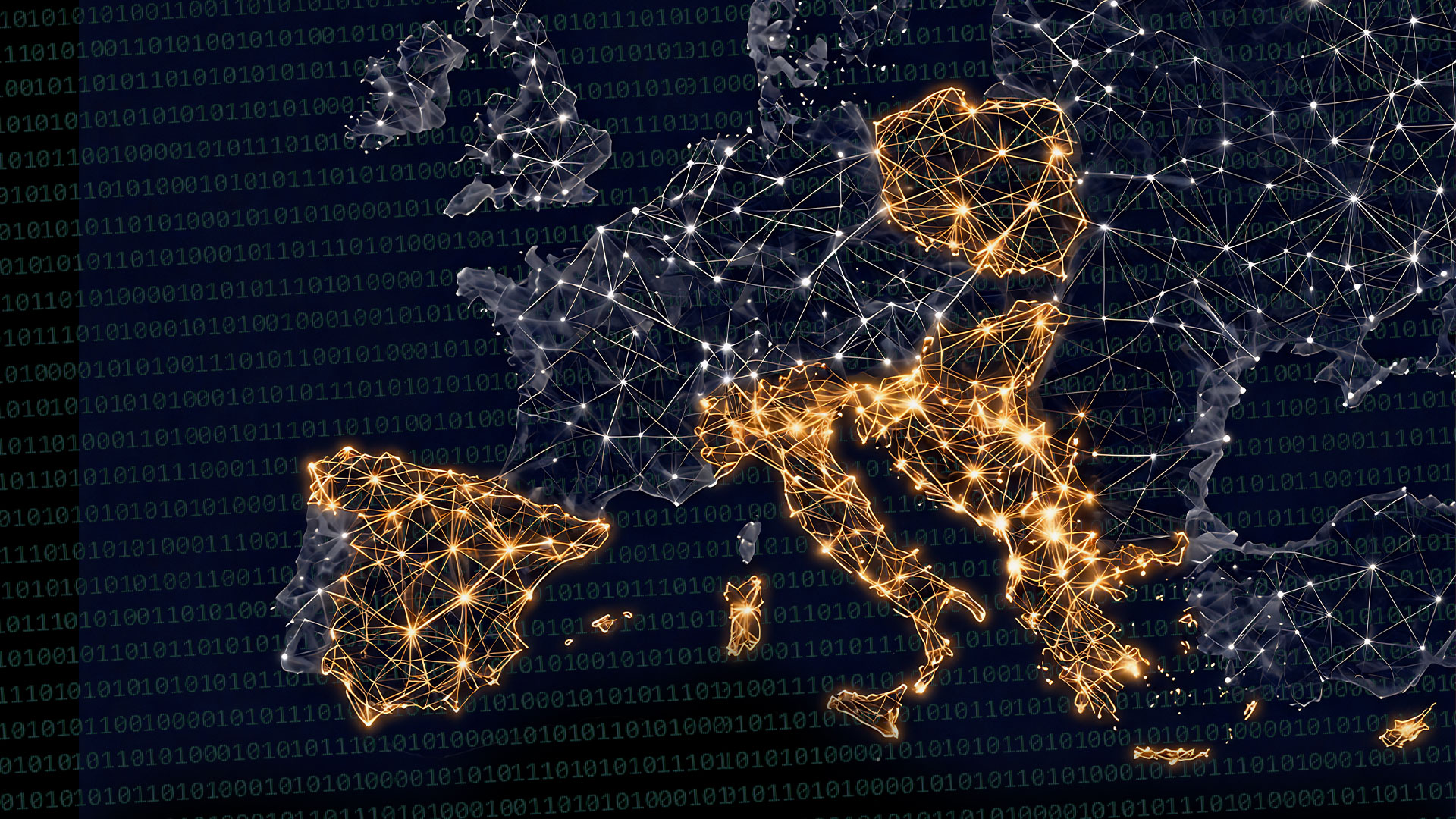
Civil society organisations, journalists, and human rights defenders across the Western Balkans and European Union (EU) are operating in a digital environment defined by raising threats and inadequate protection. This analysis presents findings from a needs assessment survey conducted within the “Defending Digital Freedoms: Strengthening Civil Society Resilience against Digital Repression in Europe” project, gathering 239 responses from 11 countries (six Western Balkan and five EU member states).
Datum: 07.04.2026.
Autor: Beogradski centar za bezbednosnu politiku
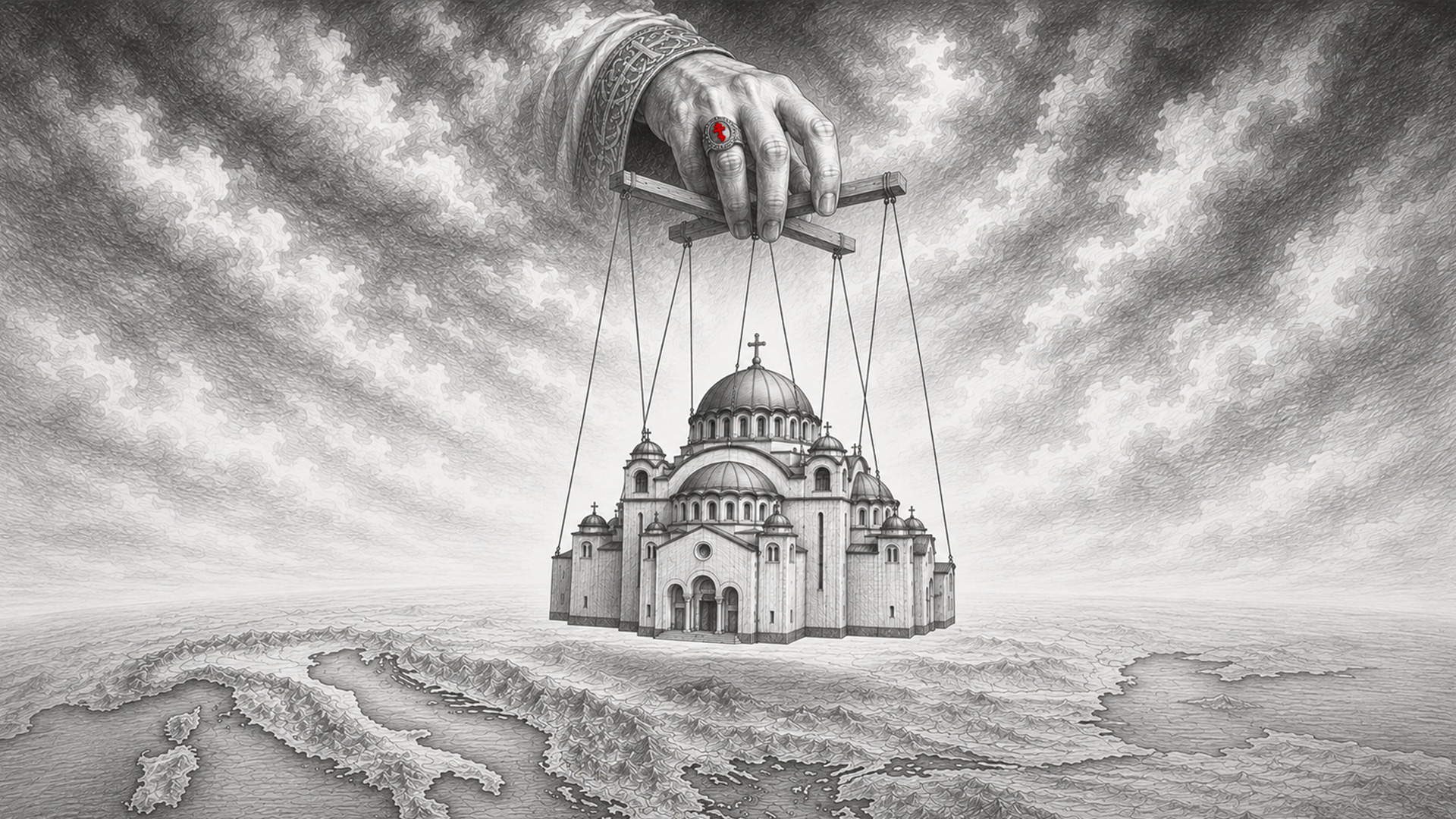
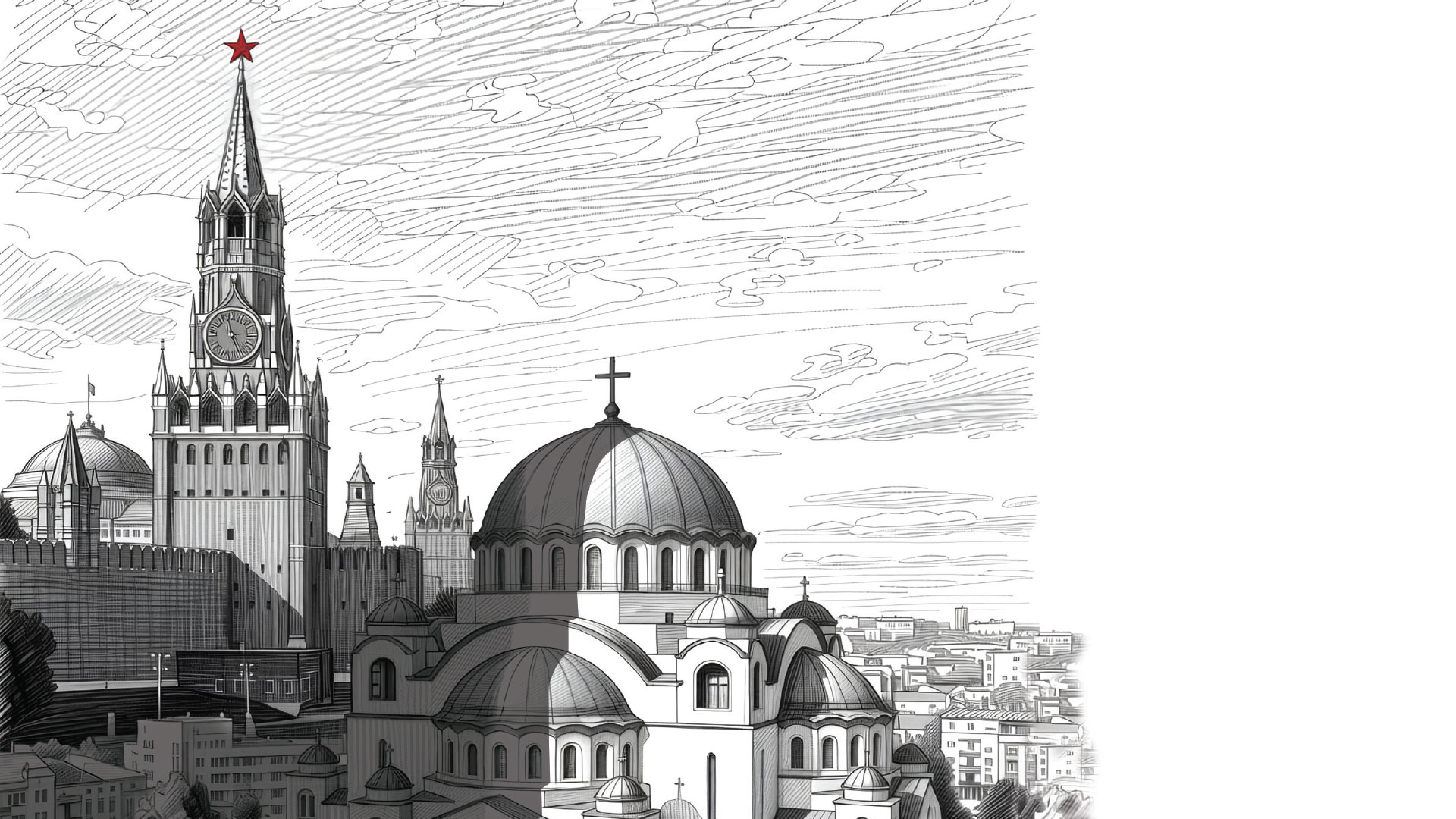
This paper examines how the Serbian Orthodox Church (SOC) is portrayed in existing research and media discourse, primarily as a major conduit of Russian influence in the Western Balkans through narratives tied to the Kremlin’s “Russian World” project and hybrid warfare activities.