
PUBLIKACIJA: Analiza
Messy Diplomacy: Western Balkan Countries Facing the Gaza Conflict
The ongoing war that Israel is waging in Gaza against Hamas is one of the most consequential conflicts with serious political implications worldwide. The Gaza conflict has already diverted the world’s attention from what has been the most dominant international conflict in the past year and a half: the Russian invasion of Ukraine.
Many countries in the Western Balkans are conflicted about what diplomatic stance to take on the Gaza war, primarily whether they should support Israel or Palestine or remain neutral since their decision-making will have to balance their domestic public, as well as their ties with Israel, Muslim countries and, most importantly, the US and the EU. The vote taken on October 26 in the UN General Assembly (hereinafter: UNGA) on the resolution that called for a truce between Israel and Hamas with a strong emphasis on humanitarian factors demonstrated how conflicted the Western Balkan countries were on the current conflict in Gaza.
The pattern of division among the Western Balkan countries on this occasion somewhat diverges from the votes cast in different UN fora in the past decade. Whereas Albania and North Macedonia have continued with their previous positions when it comes to their foreign policy toward the conflict in the Middle East, Bosnia and Herzegovina, Montenegro and Serbia have displayed an interesting change.
Skip to PDF content
Tagovi: Gaza Conflict, Israel, Palestine, the western balkans
DETALJI
AUTORI

PODELITE
PDF PREGLED
POVEZANI SADRŽAJ

Datum: 29.09.2026.
Autor: dr Srđan Cvijić | |
The ongoing war that Israel is waging in Gaza against Hamas is one of the most consequential conflicts with serious political implications worldwide. The Gaza conflict has already diverted the world’s attention from what has been the most dominant international conflict in the past year and a half: the Russian invasion of Ukraine.

Datum: 09.07.2026.
Autor: Jelena Pejić Nikić |
Beogradski centar za bezbednosnu politiku (BCBP) organizovao je građansku skupštinu „Odbrana po meri građana” kao deo šireg napora za jačanje građanskog učešća u formulisanju bezbednosnih politika.
Datum: 29.06.2026.
Autor: Gorana Pebić | | Miloš Jovanović |
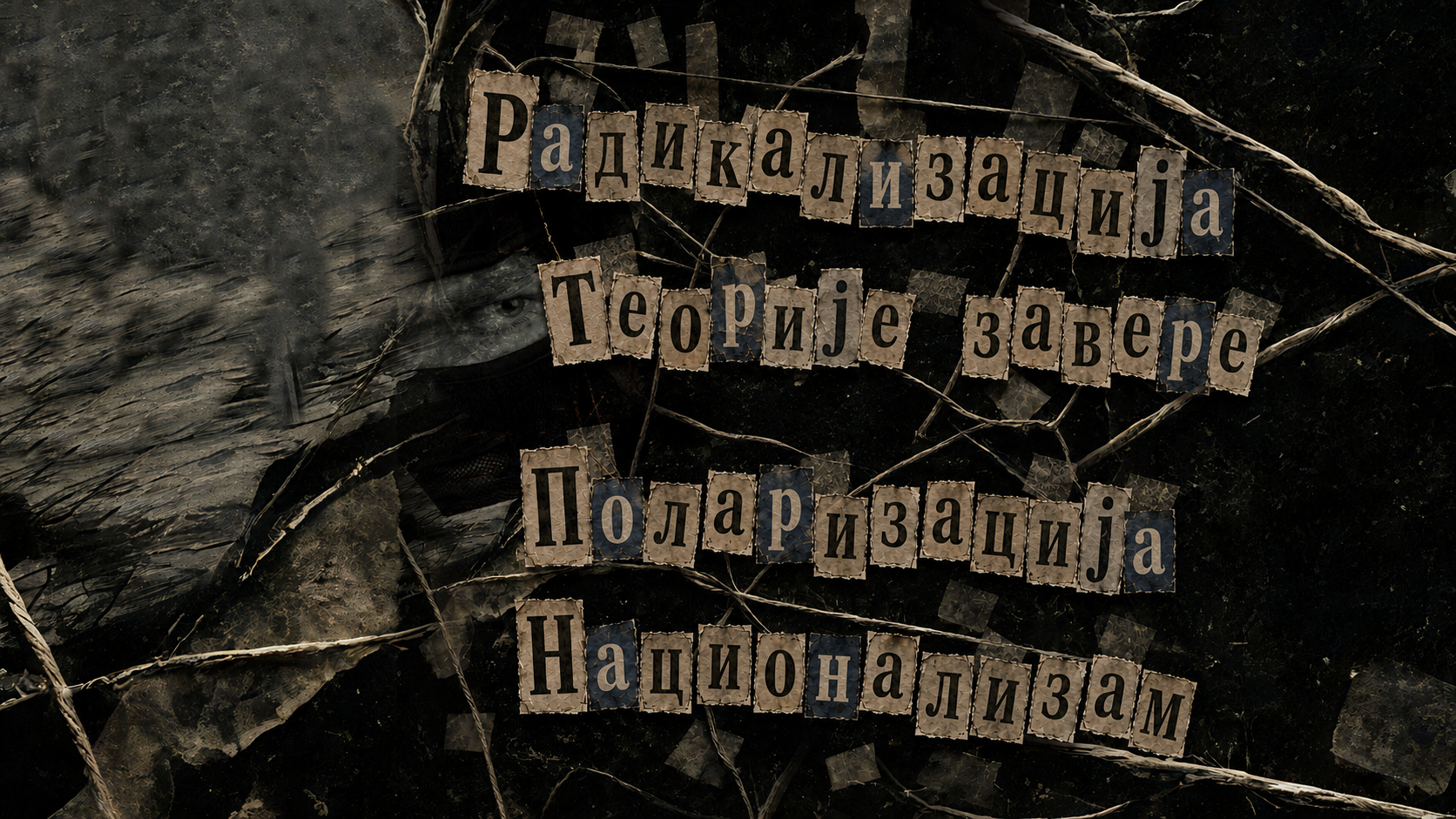
Ova studija analizira novije i do sada nedovoljno istražene oblike ekstremizma u Srbiji, sa posebnim fokusom na antisistemski ekstremizam, ulogu digitalne platforme Telegram i instrumentalizaciju ekoloških tema.