PUBLICATION: Glossary
Eco-extremism
Ecological degradation and climate change in recent decades have raised citizens’ concerns and led to the formation of many environmental protection movements. However, alongside legitimate activism, radical and extremist groups have also emerged, employing violent methods to draw attention to their aims.
In recent years, there has been a notable rise in ecologically motivated violent incidents, which could lead to the delegitimisation and criminalisation of justified environmental initiatives. Serbia is no exception in this regard. Over the past few years, environmental initiatives opposing lithium mining in Serbia have surfaced, and authorities have labeled them as eco- terrorists and eco-extremists in an effort to discredit them. Therefore, it is crucial to clearly differentiate radicalism from extremism in order to support democratic activism while preserving community safety.
The author of this backgrounder is Aleksa Simić, an intern at the Belgrade Centre for Security Policy.
DETAILS
DATE: 14.05.2025
TOPICS: Challenges Risks and Threats, Extremism
TYPE: Glossary
DOI Number: <a href="https://doi.org/10.55042/CTHN9940" target="blank">https://doi.org/10.55042/CTHN9940
AUTHORS

SHARE
PDF PREVIEW
RELATED

Date: 27.05.2026.
Author: Anđela Savić |
Civil society organisations, journalists, and human rights defenders across the Western Balkans and European Union (EU) are operating in a digital environment defined by raising threats and inadequate protection. This analysis presents findings from a needs assessment survey conducted within the “Defending Digital Freedoms: Strengthening Civil Society Resilience against Digital Repression in Europe” project, gathering 239 responses from 11 countries (six Western Balkan and five EU member states).
Date: 01.02.2026.
Author: Belgrade Centre for Security Policy
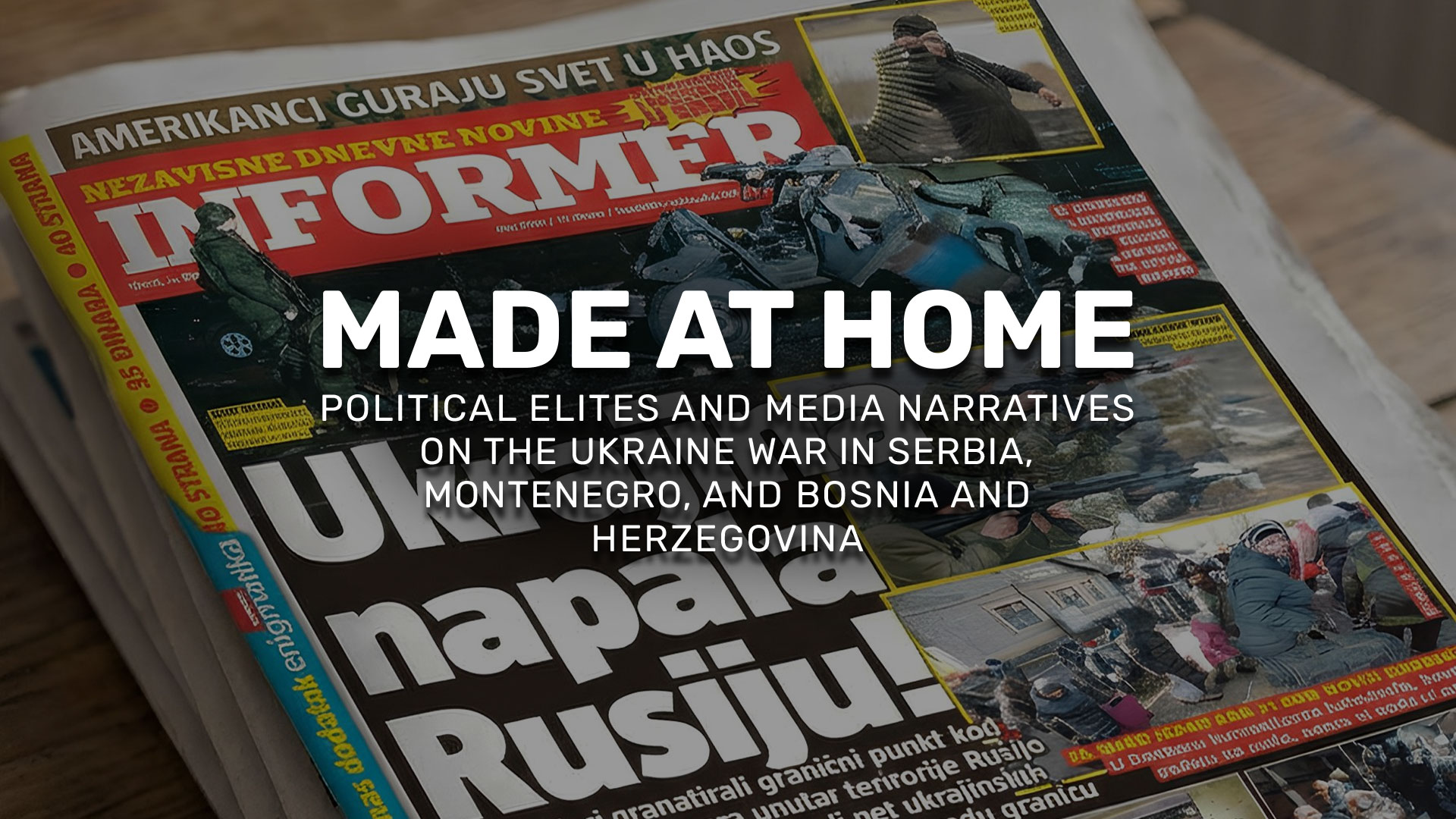
The war in Ukraine has reverberated across the Western Balkans in ways that reflect the region’s own political dynamics more than the influence of any external actor, including Russia. In Serbia, Montenegro, and Bosnia and Herzegovina, media coverage and public narratives surrounding the conflict have been shaped primarily by domestic political realities, local media structures, and long-standing identity divides.

Date: 26.01.2026.
Author: Belgrade Centre for Security Policy
The point of departure for this analysis was the idea that spyware, by its nature, is an indiscriminate, comprehensive and covert surveillance tool, structurally incompatible with the principles of necessity, proportionality and targeted data processing.