PUBLICATION: Study
MADE AT HOME: Political Elites and Media Narratives on the Ukraine War in Serbia, Montenegro, and Bosnia and Herzegovina
The war in Ukraine has reverberated across the Western Balkans in ways that reflect the region’s own political dynamics more than the influence of any external actor, including Russia. In Serbia, Montenegro, and Bosnia and Herzegovina, media coverage and public narratives surrounding the conflict have been shaped primarily by domestic political realities, local media structures, and long-standing identity divides.
Although such narratives often resemble or parallel themes associated with Russian state messaging, evidence shows that their origins and functions are fundamentally homemade. Rather than being targets of Russian influence or passive conduits for it, political and media elites across the region selectively draw on, adapt, and repurpose these narratives to serve their own pragmatic and opportunistic agendas.
This study draws on media-monitoring data provided by Pikasa Analytics (Skopje, North Macedonia), based on quantitative tracking of media outputs across three countries during the period January–June 2025. The data provided a structured basis for the report’s analysis, while the interpretation of findings, analytical conclusions, and narrative framing remain the authorship of BCSP.
Skip to PDF content
PDF PREVIEW
RELATED
Date: 06.08.2026.
Author: Belgrade Centre for Security Policy
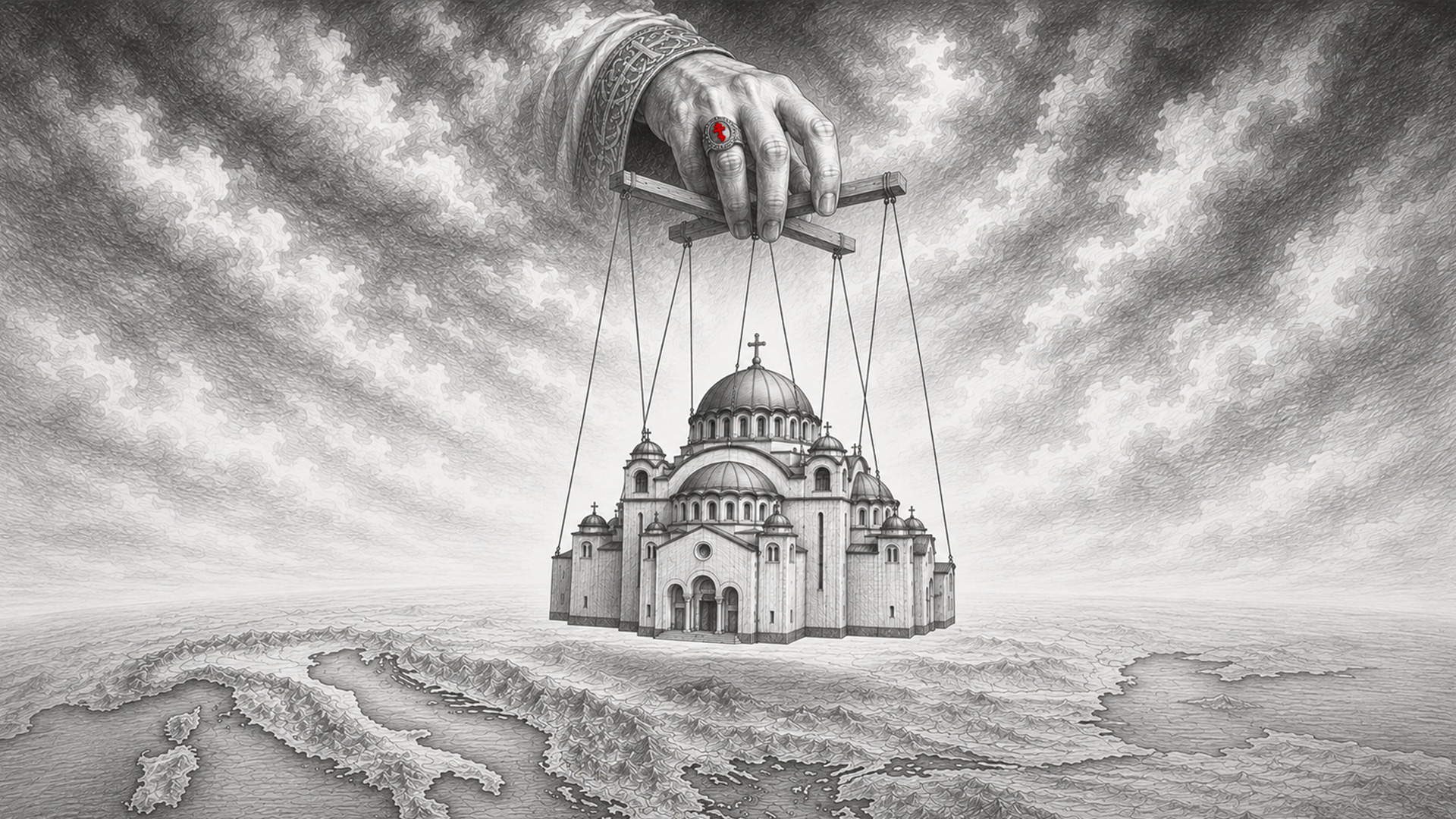
An analysis of cultural wars, anti-scientific narratives and student protests

Date: 21.07.2026.
Author: Dr Srđan Cvijić | Igor Bandović | Marko Drajić | Predrag Petrović |
In November 2025, the Belgrade Centre for Security Policy published the policy brief Political and Institutional Crisis in Serbia: Possible Scenarios. The brief outlined four scenarios and their corresponding outcomes.
New Extremist Trends in Serbia: Anti-System Extremism, Extremist Telegram Channels and Eco-Extremism
Date: 30.06.2026.
Author: Gorana Pebić | Isidora Stakić | Miloš Jovanović |
This report analyses recent and so far insufficiently explored forms of extremism in Serbia, with a particular focus on anti-system extremism, the role of the Telegram digital platform and the instrumentalisation of environmental issues.