RELATED

Date: 03.11.2025.
Author: Belgrade Centre for Security Policy
This report examines the concept of the Serbian World as a framework for Serbian influence in the Western Balkans, promoted by political elites indirectly and more directly by affiliated actors in Serbia and region. While not an official state policy, the idea functions as a powerful narrative tool, blending nationalism, historical revisionism, and strategic influence to sustain Serbia’s regional leverage and consolidate domestic political control.

Date: 31.10.2025.
Author: Belgrade Centre for Security Policy
Political, media and economic influences of certain actors continue to strongly define the region’s security landscape, concluded participants of the workshop on security and stability impacts in the region, held on 23 October 2025, at the Civic Energy Center (CEC) in North Mitrovica.
Date: 22.10.2025.
Author: Jelena Pejić Nikić |
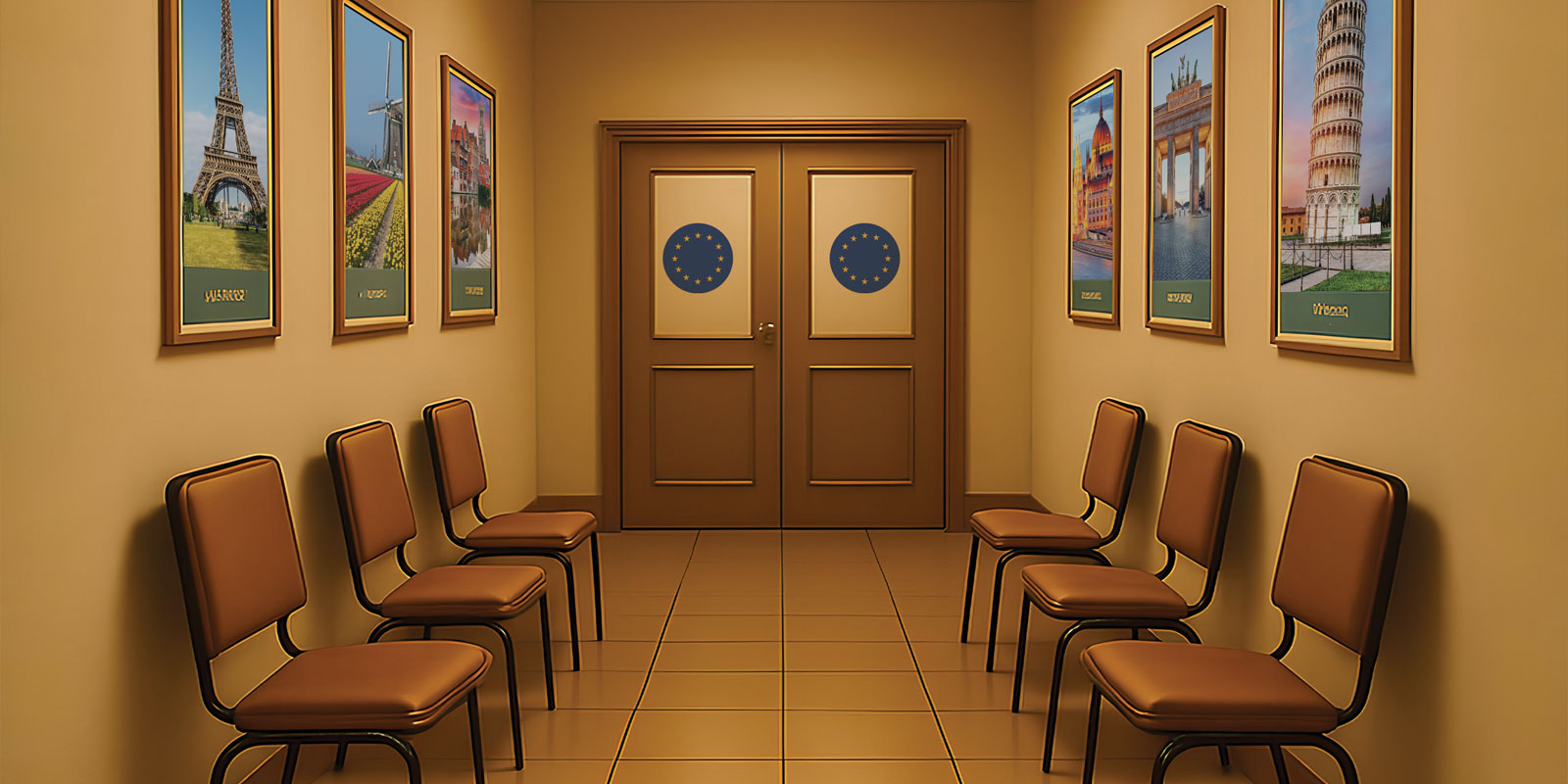
This policy paper examines Western Balkan stakeholders' perspectives on what is needed for meaningful enlargement and the EU reforms they consider essential for an effective expanded Union. Field research in spring and summer 2024 included 16 high-level interviews with representatives from all six countries of the region.

Date: 26.09.2024.
Author: Vuk Vuksanović |
In July 2023, Serbian Defence Minister Miloš Vučević, and now Serbian Prime Minister, publicly accused Türkiye of training, arming and conducting military drills with the Kosovo Security Forces (KSF), Kosovo’s crisis response formation with the explicit purpose of transforming the KSF into full-fledged army by the year 2028.

Date: 17.05.2024.
Author: Dr Srđan Cvijić | Ivana Ranković |
Bilateral disputes between European Union member states and candidate countries are one of the key obstacles to EU enlargement. They have been plaguing the EU accession process ever since the breakup of Yugoslavia and the subsequent border dispute between EU member Slovenia and candidate country Croatia which then ensued. More recently we have the case of North Macedonia. It became a candidate country in 2005 but ever since, its accession negotiations have been bogged down by endless bilateral disputes.

Date: 13.12.2022.
Author: Belgrade Centre for Security Policy
Tolerance, listening to different voices, interaction, dialogue, and mutual understanding. These are keywords that can summarize the first Regional Peacebuilding Academy, BCSP organized from December 4 to December 10 in Podgorica. During the five days, around 60 youth leaders with different backgrounds - politics, civil society, sports, arts, academia, and business, from Serbia, Kosovo, and Bosnia and Herzegovina engaged in a series of activities in order to drive change and move toward reconciliation in the Western Balkans and to establish a regional youth network.

Date: 29.06.2022.
Author: Belgrade Centre for Security Policy
In order to be credible and overcome state capture in the region, the European Union needs to start making decisions on the Western Balkans, to engage more with citizens and internal democratization drivers, and regional actors should have a say in EU-wide debates, it was concluded at the conference “The Lighthouse of a Better Balkans – The first 25 years of the BCSP” held on 27 June at the Metropol Palace Hotel in Belgrade. During the conference organized on the occasion of its 25th anniversary, BCSP formed an International Advisory Committee and presented its members.

Date: 09.06.2022.
Author: Luka Šterić |
In this paper, BCSP researcher Luka Steric calls for the U-turn in the French and EU approach to the Western Balkans, calling for the end of support for stabilocracy.

Date: 17.05.2022.
Author: Belgrade Centre for Security Policy
The EU should rethink its approach and regain legitimacy in the Western Balkans region, it was pointed out during the event BCSP organized on May 16, in Hague, in cooperation with organized by Leiden University, Central and East European Studies Centre, Peace Analytics and GTGC Conflict, Peace, and Security stream.