RELATED

Date: 06.08.2026.
Author: Belgrade Centre for Security Policy
An analysis of cultural wars, anti-scientific narratives and student protests

Date: 21.07.2026.
Author: Dr Srđan Cvijić | Igor Bandović | Marko Drajić | Predrag Petrović |
In November 2025, the Belgrade Centre for Security Policy published the policy brief Political and Institutional Crisis in Serbia: Possible Scenarios. The brief outlined four scenarios and their corresponding outcomes.
New Extremist Trends in Serbia: Anti-System Extremism, Extremist Telegram Channels and Eco-Extremism
Date: 30.06.2026.
Author: Gorana Pebić | Isidora Stakić | Miloš Jovanović |
This report analyses recent and so far insufficiently explored forms of extremism in Serbia, with a particular focus on anti-system extremism, the role of the Telegram digital platform and the instrumentalisation of environmental issues.

Date: 26.06.2026.
Author: Gorana Pebić |
The analysis explores how far-right Telegram channels instrumentalise opposition to the Rio Tinto project and lithium mining in Serbia to amplify their pre-existing nationalist and anti-Western narratives.

Date: 25.06.2026.
Author: Belgrade Centre for Security Policy
For the population of Serbia, this issue is exacerbated by the existing problems of galloping privatisation and destruction of public goods, especially natural resources. In the last decade, two sides of the environment have emerged and intensified in the local public.

Date: 24.06.2026.
Author: Belgrade Centre for Security Policy
Civil society organisations express deep concern over the direction of the investigative actions concerning the incident of 15 March 2025, which have recently been undertaken by the Higher Public Prosecutor’s Office in Belgrade. The current conduct of this Prosecutor’s Office is the exact opposite of the thorough and impartial investigation that such a grave case requires. Instead, it indicates a deliberate intention to cover up the actual incident and divert public attention towards the political persecution of victims and all those who have provided them with legal or other forms of support.

Date: 02.06.2026.
Author: Belgrade Centre for Security Policy
The following transcript is from the opening speech by Pieter Omtzigt, former member of the Parliamentary Assembly of the Council of Europe (PACE) and former rapporteur on Pegasus and other spyware and secret state surveillance. The speech was delivered at the Sandbox Conference organised by the Civil Society Digital Security Network (CSDSN) in Tirana on 27 May 2026.
Date: 29.05.2026.
Author: Belgrade Centre for Security Policy
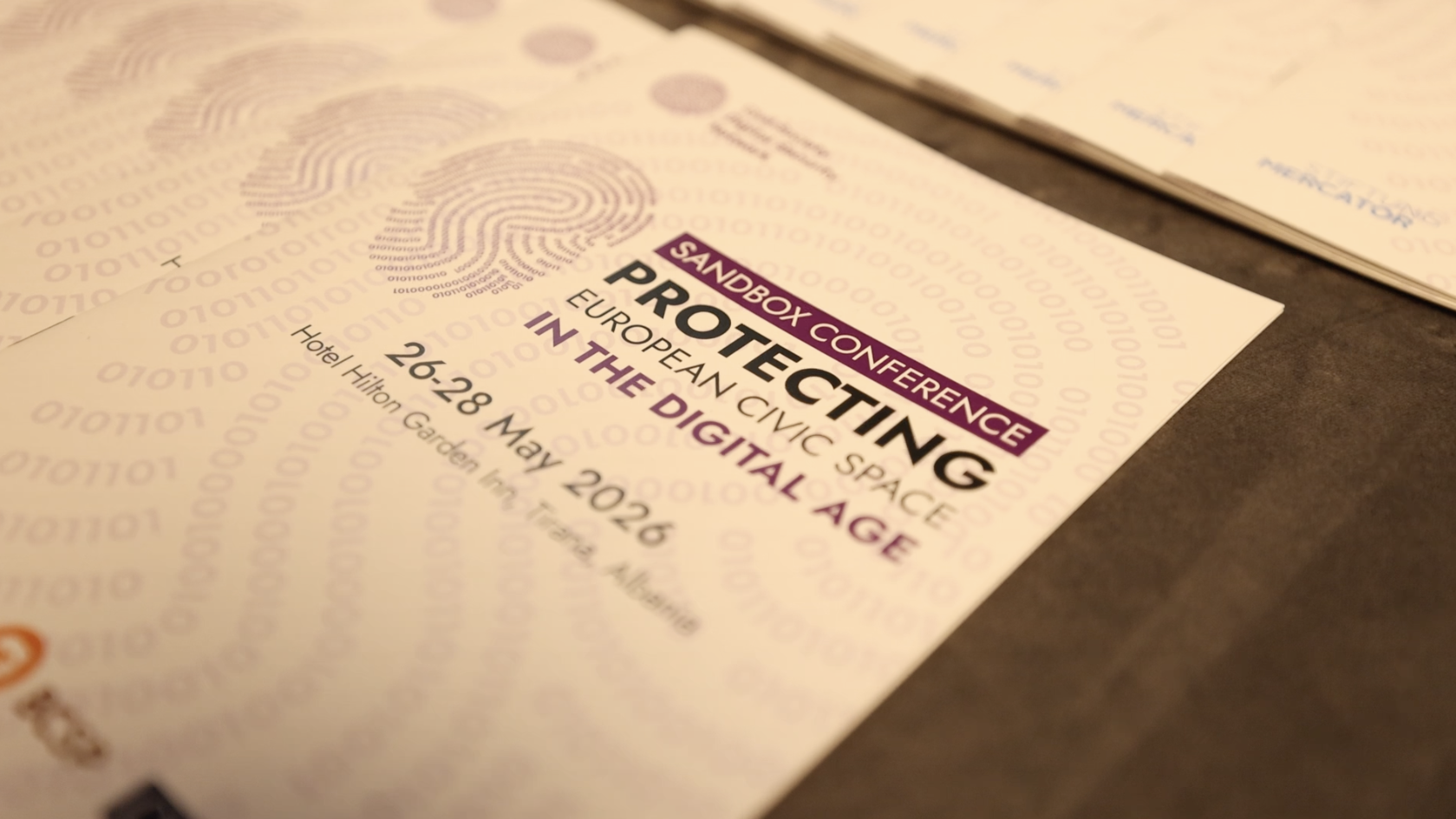
Civil Society Digital Security Network (CSDSN) brought together human rights defenders, journalists, activists, legal experts, and digital security specialists in Tirana, Albania, from 26 to 28 May 2026 for the Sandbox Conference "Protecting European Civic Space in the Digital Age". Supported by Stiftung Mercator, the conference served as a safe space for open dialogue on the growing digital threats facing civil society across the Western Balkans and the European Union.
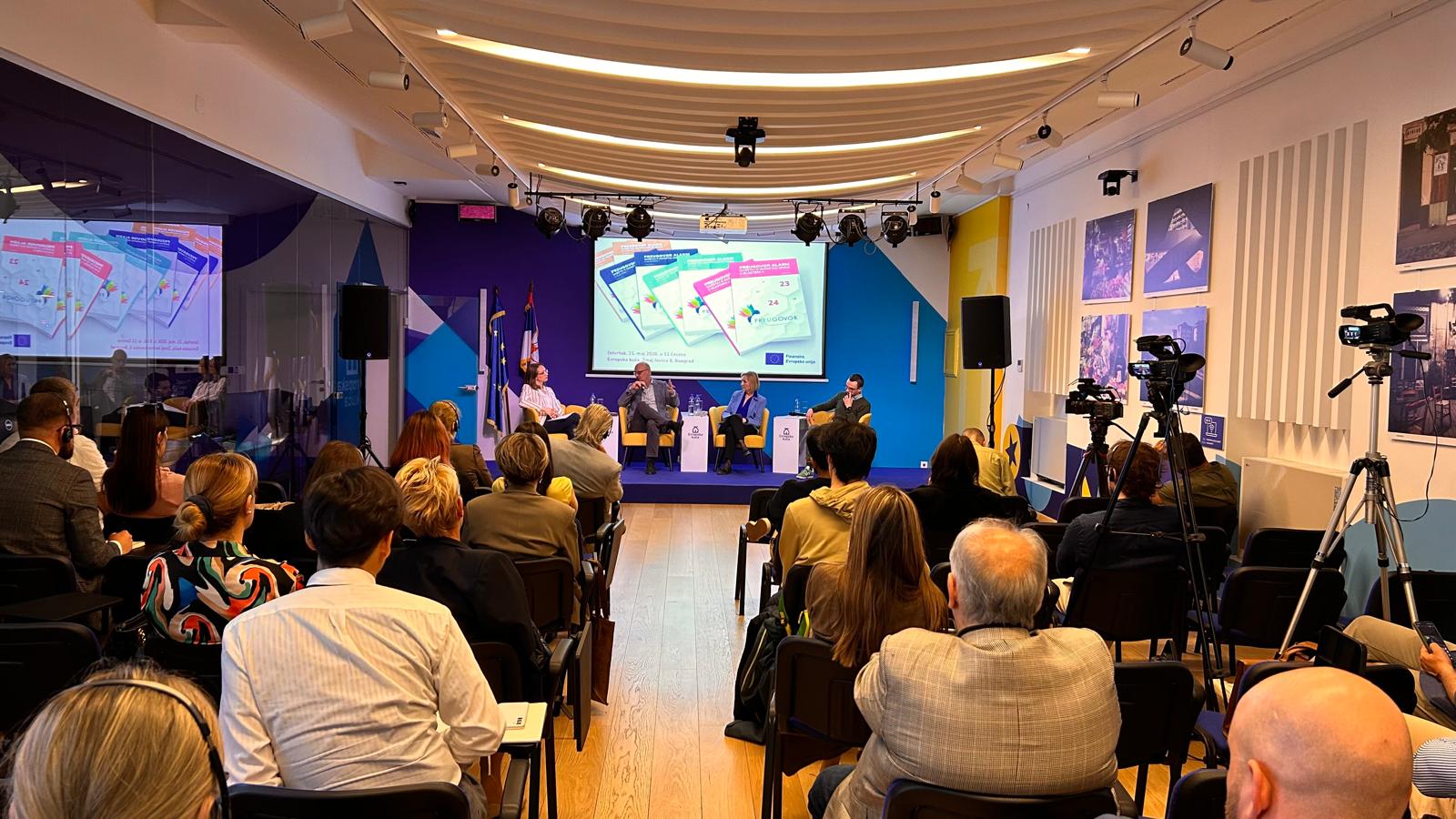
Date: 21.05.2026.
Author: Belgrade Centre for Security Policy
Serbia is moving further away from the European Union (EU), and this has become particularly evident since the end of 2025, when, according to the assessment of the prEUgovor Coalition, even the simulation of reform activities came to an end.