PUBLICATION: Analysis
Enabling Just Change in the International Health Care Governance
This publication comes after months of research conducted by the Belgrade Centre for Security Policy, in collaboration with its partners in the Western Balkans region - Kosovar Centre for Security Studies (Prishtina), Centre for Security Studies (Sarajevo), Institute Alternative (Podgorica), Institute for Democracy and Mediation (Tirana) and Institute for Democracy “Societas Civilis” (Skopje).
The first stage focused on desk research over the course of nine months. Extensive desk research followed, with semi-structured interviews with public health experts conducted in order to assess the pandemic management in each of the Western Balkan countries – North Macedonia, Montenegro, Serbia, Kosovo, Albania, and Bosnia and Herzegovina.
The second stage of the research was focused on the reform of the global health governance system and structures. This part of the research implied semi-structured interviews and discussions with global health experts, as well as with experts in global governance. The baseline for the set of recommendations presented in this paper is that pandemics remain one of the most serious threats to human, national, and global security.
Therefore, fundamental reforms of global health governance must be implemented in order for the global society to be better prepared for the next pandemic. Two external experts also contributed to this paper.
Skip to PDF contentSkip to PDF content
Tags:
DETAILS
DATE: 27.06.2023
TOPICS: BSCP, Disaster Risk Management, State Capture
TYPE: Analysis
DOI Number: <a href="" target="blank">
AUTHORS

SHARE
PDF PREVIEW
RELATED
Date: 06.08.2026.
Author: Belgrade Centre for Security Policy
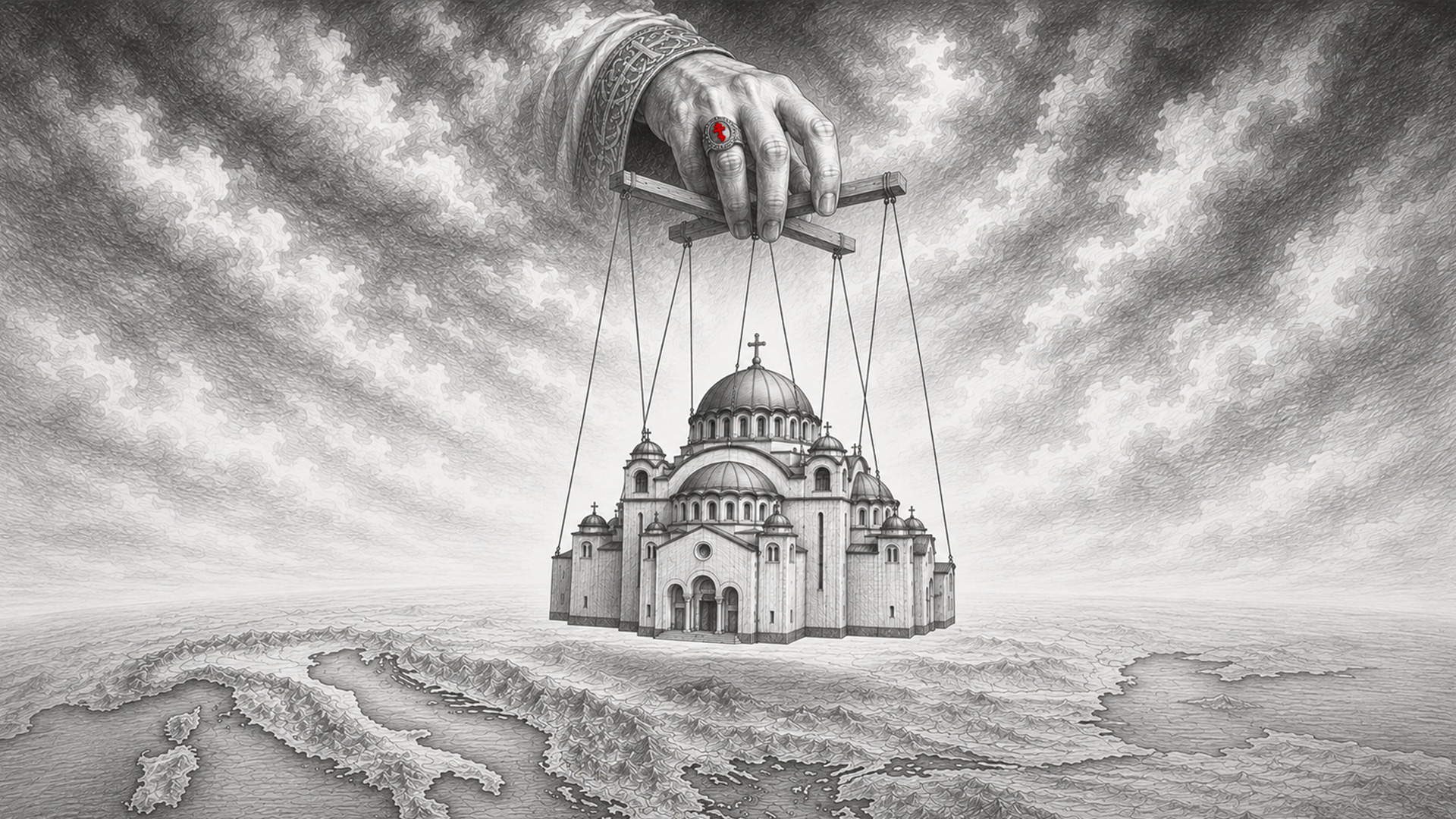
An analysis of cultural wars, anti-scientific narratives and student protests

Date: 21.07.2026.
Author: Dr Srđan Cvijić | Igor Bandović | Marko Drajić | Predrag Petrović |
In November 2025, the Belgrade Centre for Security Policy published the policy brief Political and Institutional Crisis in Serbia: Possible Scenarios. The brief outlined four scenarios and their corresponding outcomes.
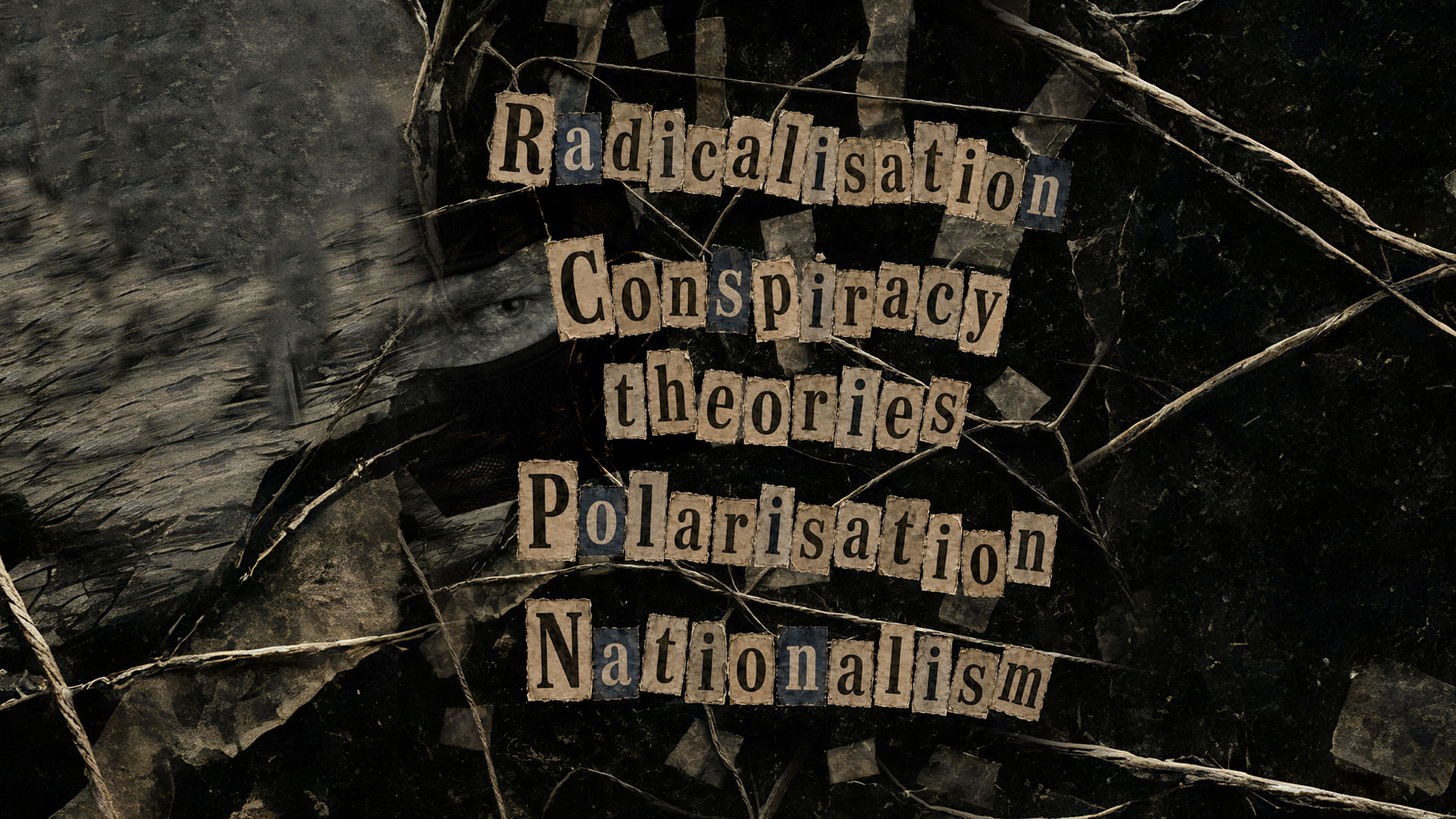
New Extremist Trends in Serbia: Anti-System Extremism, Extremist Telegram Channels and Eco-Extremism
Date: 30.06.2026.
Author: Gorana Pebić | Isidora Stakić | Miloš Jovanović |
This report analyses recent and so far insufficiently explored forms of extremism in Serbia, with a particular focus on anti-system extremism, the role of the Telegram digital platform and the instrumentalisation of environmental issues.