PUBLICATION: Research report
Measuring Up: How Well are Western Balkan Countries Protecting Whistleblowers?
In this study, we present the first-ever review of how well these systems are functioning in six Western Balkan countries. The outcomes of retaliation complaints are analyzed to evaluate the performance of whistleblower caseworkers and identify strengths and weaknesses in protection systems.
Specifically, we look at how many people applied for protection, how many people received it, and how many people were denied. Where possible, we identify the reasons people were denied protection. This report is part of the project “Fulfilling the Promise of Whistleblowing: Defending Citizens’ Rights and Curbing Corruption.”
The project, overseen by the Southeast Europe Coalition on Whistleblower Protection (the Coalition), is supported by the Balkan Trust for Democracy of the German Marshall Fund of the United States. The project works to align policies in the region’s six EU candidate and potential candidate countries with EU rules on whistleblower protection. Founded in 2015, the Coalition is the leading advocate, advisor and researcher for whistleblower protection policies and systems in Southeast and Eastern Europe.
This analysis was conducted by Coalition members:
• Center for the Study of Democracy and Governance (Albania)
• Infohouse (Bosnia and Herzegovina)
• Kosovo Law Institute (Kosovo)
• Center for Development of Non-Governmental Organizations (Montenegro)
• Transparency International Macedonia (North Macedonia)
• Belgrade Centre for Security Policy (Serbia)
Skip to PDF contentSkip to PDF contentTags:
DETAILS
AUTHORS
SHARE
PDF PREVIEW
RELATED
Date: 06.08.2026.
Author: Belgrade Centre for Security Policy
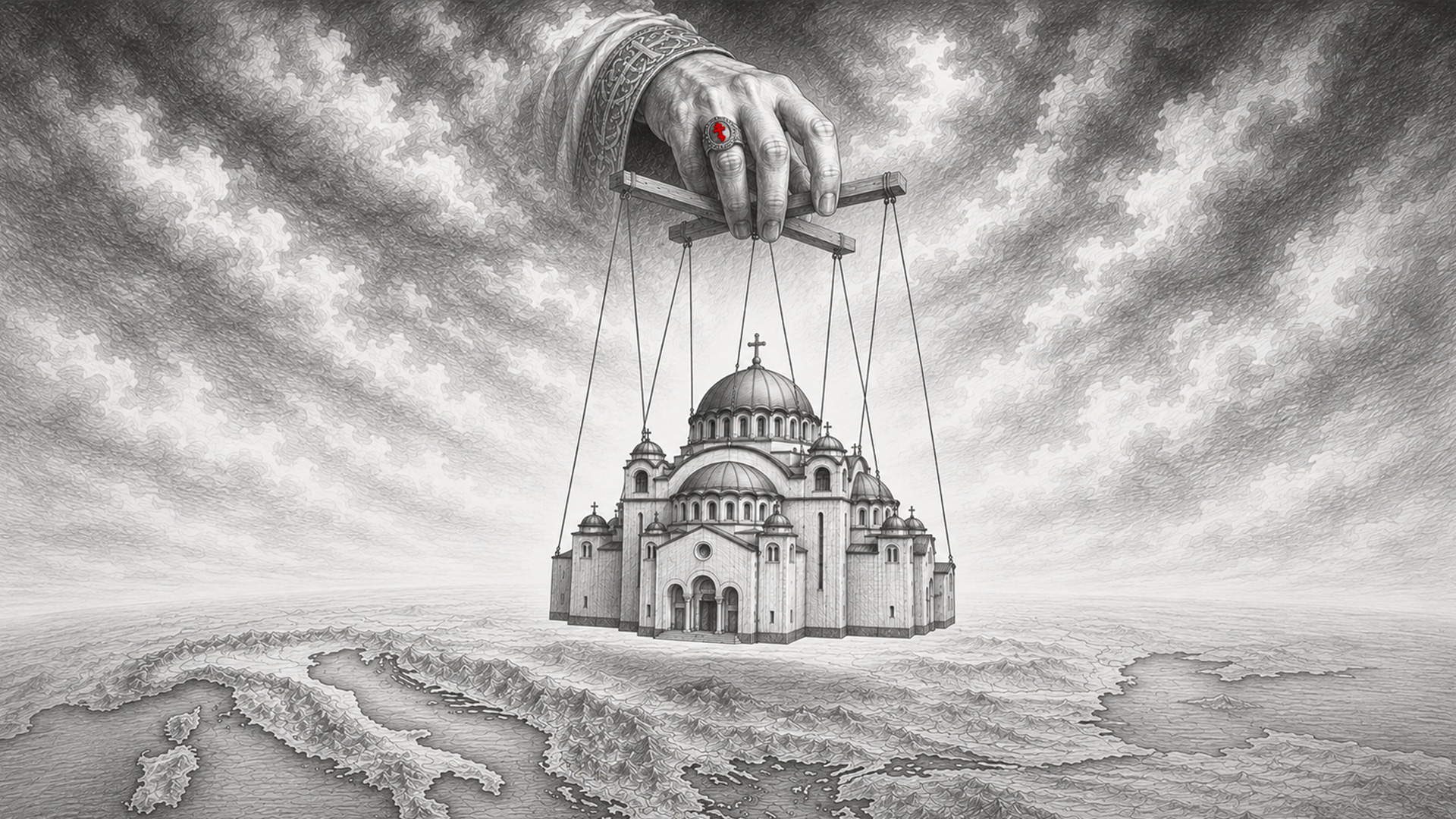
An analysis of cultural wars, anti-scientific narratives and student protests

Date: 21.07.2026.
Author: Dr Srđan Cvijić | Igor Bandović | Marko Drajić | Predrag Petrović |
In November 2025, the Belgrade Centre for Security Policy published the policy brief Political and Institutional Crisis in Serbia: Possible Scenarios. The brief outlined four scenarios and their corresponding outcomes.
New Extremist Trends in Serbia: Anti-System Extremism, Extremist Telegram Channels and Eco-Extremism
Date: 30.06.2026.
Author: Gorana Pebić | Isidora Stakić | Miloš Jovanović |
This report analyses recent and so far insufficiently explored forms of extremism in Serbia, with a particular focus on anti-system extremism, the role of the Telegram digital platform and the instrumentalisation of environmental issues.