RELATED

Date: 25.04.2023.
Author: Belgrade Centre for Security Policy |
The relations between the two countries from the moment Ukraine gained its independence, in 1991, to date can be marked as formally friendly relations. The peak of friendship and solidarity came with NATO’s bombing of the Federal Republic of Yugoslavia in 1999, which has remained one of the most traumatic episodes in Serbian contemporary history.

Date: 12.04.2023.
Author: Maksim Samorukov |
Russia’s invasion of Ukraine in February 2022 pushed Europe into a new era of instability. The fundamentals of the continent’s political and economic order are shifting as Russia’s brutal methods of war undermine the prospects of the slightest cooperation between Moscow and European states.

Date: 24.03.2023.
Author: Srđan Hercigonja | Gorana Pebić |
What are the most dominant post-pandemic conclusions, and what do the latest research results on pandemic management in Serbia and the Western Balkans show? Read all about it in the newest analysis made by BCBP.

Date: 23.03.2023.
Author: Belgrade Centre for Security Policy
The discussion entitled "Post-pandemic dilemmas: Are we safer or more vulnerable?" held on March 23, 2023, at the Metropol Hotel, organized by the Belgrade Centre for Security Policy (BCSP), was an opportunity to discuss the lessons learned from the COVID-19 pandemic, the country's readiness to respond to a possible next pandemic, as well as the impact of the pandemic on people's mental health.
Date: 28.10.2022.
Author: Vuk Vuksanović |
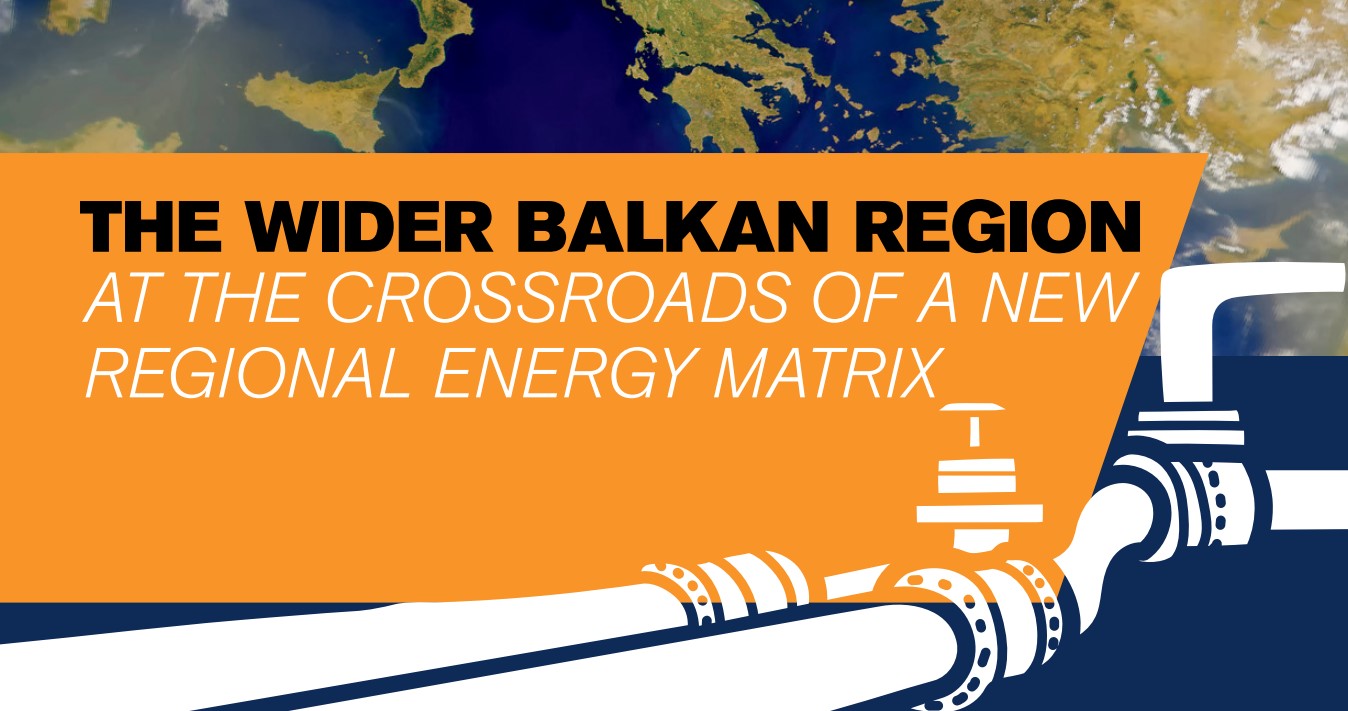
Belgrade Centre for Security Policy (BCSP), in partnership with New Strategy Center (NSC) from Romania, publishes the study “The wider Balkan region at the crossroads of a new regional energy matrix”. This study is the product of the collaboration between the two organizations, the authors being Vuk Vuksanović, senior researcher at BCSP and Sergiu Mitrescu, international relations expert, NSC.

Date: 27.10.2022.
Author: Maja Bjeloš | Marija Pavlović |
Despite a solid legal framework, Serbia’s fight against cyber attacks and crime progresses slowly due to the chronic lack of qualified staff, as well as the politicized priorities of the competent institutions. This is one of the conclusions of the latest publication on the cybersecurity context in Serbia.

Date: 19.07.2022.
Author: Belgrade Centre for Security Policy
The Belgrade Centre for Security Policy is pleased to invite you to submit papers for Academic Event, which will take place during the Belgrade Security Conference (October 27-28, 2022).

Date: 16.06.2022.
Author: Belgrade Centre for Security Policy
The management of the crisis caused by the pandemic was marked by many omissions in respecting the legal framework, but also in the organization of the existing health capacities. Complete chaos was prevented only thanks to the efforts of doctors, while citizens, confused by contradictory messages, were left to fend for themselves. This was concluded at a round table organized by the Belgrade Centre for Security Policy on June 6.

Date: 06.06.2022.
Author: Srđan Hercigonja |
In this analysis, the predominant narratives of the pandemic shall be explored, as well as the ways they have impacted the state capturing process in the period from the second half of 2021 till 3 April 2022, when the general and presidential elections took place in Serbia.