PUBLICATION: Analysis
A Forgotten Friendship: Serbo-Ukrainian Relations and Pro-Russian Narratives
The relations between the two countries from the moment Ukraine gained its independence, in 1991, to date can be marked as formally friendly relations. The peak of friendship and solidarity came with NATO’s bombing of the Federal Republic of Yugoslavia in 1999, which has remained one of the most traumatic episodes in Serbian contemporary history.
During that episode, Ukrainian solidarity was demonstrated through Ukraine’s attempts to be an impartial mediator, its condemnation of the military intervention without the mandate of the UN Security Council, as well as through provided assistance.
Today, that episode is easily forgotten in Serbia’s political discourse, especially by political leaders. Besides, although the relations between the two countries continue to be formally friendly, they are still burdened with stereotypes prevailing in Serbian society as a product of very stench pro-Russian narratives in the past few years, which have made Russia and its leadership very popular in Serbia. This popularity, along with the Serbian policy of balancing between the West and Russia, makes the relations between Serbia and Ukraine not hostile but relations charged with contradictions.
This publication was produced with the financial support of the National Endowment for Democracy (NED). Responsibility for the content of this publication belongs solely to Belgrade Centre for Security Policy.
Skip to PDF contentDETAILS
AUTHORS

SHARE
PDF PREVIEW
RELATED
Datum: 06.08.2026.
Autor: Belgrade Centre for Security Policy |
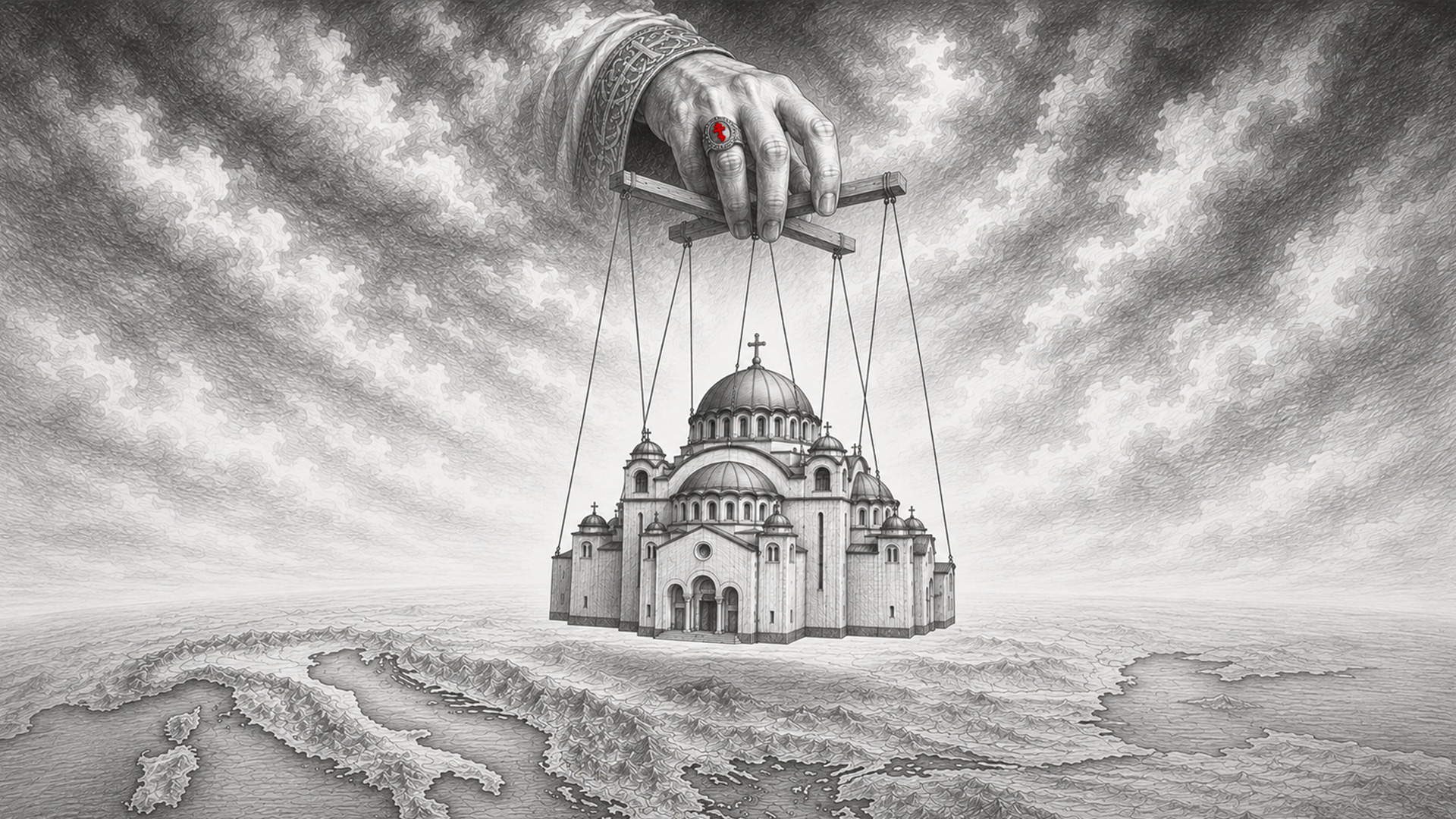
The relations between the two countries from the moment Ukraine gained its independence, in 1991, to date can be marked as formally friendly relations. The peak of friendship and solidarity came with NATO’s bombing of the Federal Republic of Yugoslavia in 1999, which has remained one of the most traumatic episodes in Serbian contemporary history.

Datum: 21.07.2026.
Autor: Beogradski centar za bezbednosnu politiku
In November 2025, the Belgrade Centre for Security Policy published the policy brief Political and Institutional Crisis in Serbia: Possible Scenarios. The brief outlined four scenarios and their corresponding outcomes.
New Extremist Trends in Serbia: Anti-System Extremism, Extremist Telegram Channels and Eco-Extremism
Datum: 30.06.2026.
Autor: Beogradski centar za bezbednosnu politiku
This report analyses recent and so far insufficiently explored forms of extremism in Serbia, with a particular focus on anti-system extremism, the role of the Telegram digital platform and the instrumentalisation of environmental issues.