SERBIAN SECURITY POLICY
Publication and articles on Serbian Security Policy theme
RELATED

Date: 28.03.2022.
Author: Belgrade Centre for Security Policy
Only in the first 10 months of 2021 in Serbia, 21,000 more citizens died than in the same period of 2020. Last year, 136,000 citizens of Serbia died, which is 18% more than in 2020, which, according to statistical data, is the worst year since the end of the Second World War. By the end of February 2022, 147 doctors had died from coronavirus. This was highlighted at today's conference organized by the Belgrade Centre for Security Policy and the Union of Doctors and Pharmacists of Serbia.

Date: 18.03.2022.
Author: Belgrade Centre for Security Policy
Defense topics are most often sensationalized, leading to militaristic narratives in the region. For the sake of greater trust in the region, it is necessary to discuss these topics based on facts. This was highlighted during a discussion held on Monday, March 14, where the Balkan Defense Monitor, a pioneering comparative report on defense systems in the Western Balkans, was presented.

Date: 14.03.2022.
Author: Luka Šterić | Maja Bjeloš | Marija Ignjatijević |
We present you the Balkan Defence Monitor - independent and comprehensive source of information regarding defence topics in the region.

Date: 14.03.2022.
Author: Luka Šterić |
BCSP researcher Luka Šterić analyzes militaristic narratives in the three countries signatories of the Dayton Peace Agreement - Serbia, Bosnia and Herzegovina and Croatia.

Date: 04.03.2022.
Author: Srđan Hercigonja |
This paper analyses the official narratives on the civil society in Serbia in relation to them as a vehicle to the state capturing process.

Date: 31.01.2022.
Author: Srđan Hercigonja | Predrag Petrović |
What do the citizens think about the state of democracy in Serbia, how much do they trust the institutions and are they ready to join an activist initiative? We present you an analysis of citizens' attitudes on these topics.
Date: 28.01.2022.
Author: Belgrade Centre for Security Policy |
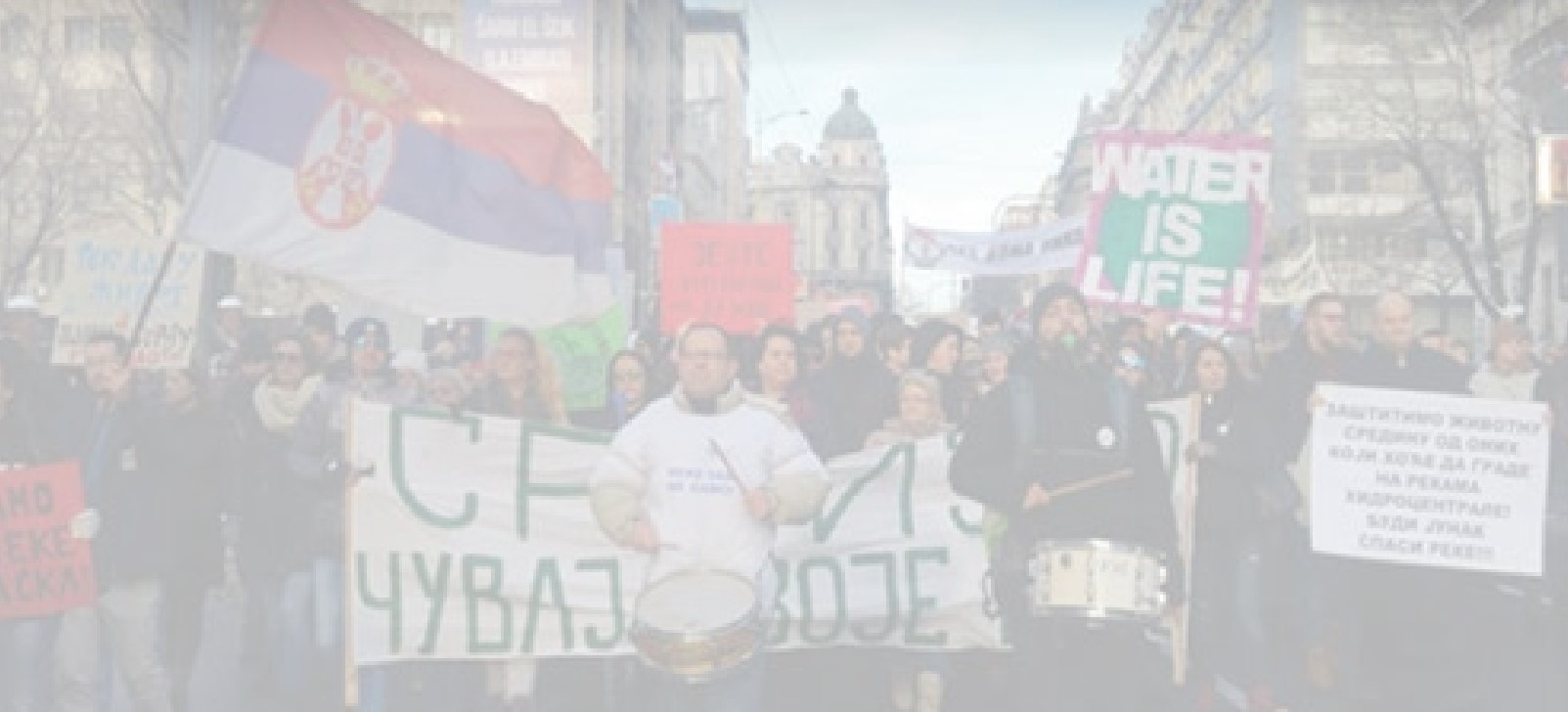
In a new case study, Dina Djordjevic, a journalist of the Centre for Investigative Reporting, presents how local actions against small hydropower plants in Serbia have turned into a mass environmental revolt at the national level.

Date: 17.01.2022.
Author: Vuk Vuksanović |
What narratives are used to describe the cooperation of the Serbian government with illiberal forces such as Russia and China, and how those narratives are related to the capture of the state in Serbia, read in the text written by BCSP senior researcher Vuk Vuksanović.

Date: 11.01.2022.
Author: Belgrade Centre for Security Policy |
This document aims to positively address the legal framework of four basic rights that are necessary for human rights defenders to be able to perform their activities, to point out problems in legislation, but also to present a real picture of the position of activists in Serbia who encounter direct or indirect violations of these rights on a daily basis.
RELATED EVENTS

Date: 20220614
Time: 12:00:00