PRESS RELEASES

Date: 27.02.2013.
Author: Belgrade Centre for Security Policy
yes

Date: 07.02.2013.
Author: Belgrade Centre for Security Policy
Speakers at the round table held in the BCSP’s library noted that the global „Government Defence Anti-Corruption Index" stressed numerous risks from corruption were identified in Serbia’s defence system, with procurement being one of the principal problem areas, but Defence Ministry representative stated objections to TI UK’s methodology, and offered some advice for further research.

Date: 30.01.2013.
Author: Belgrade Centre for Security Policy
According to the findings of the Global Defence Anti-Corruption Index, Serbia’s defence system is among those threatened by a high corruption risk.

Date: 16.01.2013.
Author: Belgrade Centre for Security Policy
Twelfth generation of BCSP interns took part in the organization of two major conferences, participated in field research and made several appearances in media. Interns developed their skills in different workshops and seminars, published a great variety of articles in specialized bulletins and helped with the everyday activities in BCSP.

Date: 28.12.2012.
Author: Belgrade Centre for Security Policy
In the year of 2012 BCSP celebrated its 15th anniversary and continued with the development of innovative research, educational materials and programmes, as well as the new communication and advocacy tools and tactics.

Date: 27.12.2012.
Author: Belgrade Centre for Security Policy
The relations between the Albanian and Serbian communities remain of key importance to the security and stability of the Balkan Region. Despite the improved relations and the engagement in the European Union integration, the relations between Belgrade, Prishtina and Tirana are still hampered by unresolved issues from the past. These are main conclusions reached at the first Security Research Forum.

Date: 25.12.2012.
Author: Belgrade Centre for Security Policy
In all previous studies of corruption in Serbian police the same risks were identified, and major one among them is politicization, BCSP Researcher Sasa Djordjevic said at the press conference in the Media Center.

Date: 24.12.2012.
Author: Belgrade Centre for Security Policy
Although during the last two years the state has done a lot to implement the National Action Plan for implementation of UNSC Resolution 1325, little has been done to involve the civil society in this process, the pioneer of engagement in this area – this was one of the conclusions of the first gathering of women peace organizations and state institutions responsible for the implementation of NAP 1325 representatives, initiated by BCSP.

Date: 23.11.2012.
Author: Belgrade Centre for Security Policy
Three out of four Serbian citizens think there has been an increase in violence in the last few years. This percentage is particularly alarming in Belgrade (84%) and among young people (82%). Citizens are most concerned with individual violence: bullying in schools, domestic violence, and the violence associated with drug addiction and crime.
Date: 06.11.2012.
Author: Belgrade Centre for Security Policy
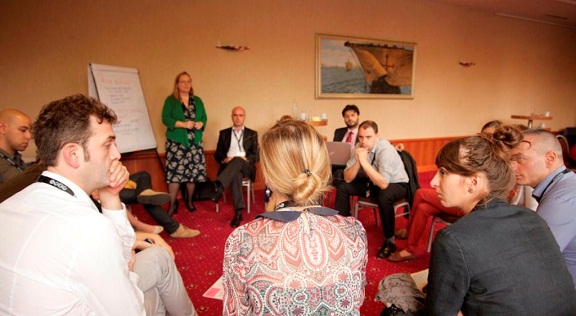
Besides speaking at the plenary panel about the connection between decision making and research experience, during "open space training" BCSP Director Sonja Stojanovic Gajic moderated lively discussion about whether Serbs and Albanians can resolve the issue of Kosovo.

Date: 30.10.2012.
Author: Belgrade Centre for Security Policy
Majority of Serbian citizens feel secure, but only 5% of them give credit for that to good work of government bodies. Half of respondents are satisfied with work of the Serbian Army, but 42 % of them are dissatisfied with work of the Judiciary.

Date: 08.10.2012.
Author: Belgrade Centre for Security Policy
The delegation of the NATO Parliamentary Assembly met with the representatives of the BCSP during their visit to Serbia, which also included meetings with the high state officials.