PUBLICATION:
Alarm Report on Progress of Serbia in Cluster 1 – May 2023
Within the prEUgovor coalition, BCBP continues to monitor reforms in key areas of European integration – parliamentary oversight of the security sector, the space for civil society, the fight against corruption in the police, personal data protection, police reform, the fight against organized crime, the fight against extremism and terrorism.
We present you the jubilee 20th prEUgovor Alarm Report, the regular semi-annual overview of the state of reforms in Serbia in key areas of European integration. For a decade now, the organisations gathered in the prEUgovor coalition have been documenting the words and deeds of the Serbian authorities and relevant institutions, analysing them within a broader picture so that both the domestic and international public understand the importance and scope of the undertaken reform activities. Alarm reports were published even when official reports on the implementation of action plans were not, or they offered a picture of a parallel reality, the reverse side of which needed to be illuminated. These twenty reports, therefore, together provide a comprehensive and faithful, critically coloured account of the decade of European integration of Serbia.
In that period, reasons for alarming the public did not disappear; on the contrary. The volume of reports grew steadily, and the recommendations were often repeated because they were rarely fulfilled. For years, the prEUgovor coalition has been warning about the state capture, which is taking place parallel to and intertwined with the EU accession process. While the authorities are trying to show some progress in the formal process and open new negotiation chapters, i.e. clusters, the effects of the activities undertaken on the ground are not satisfactory. Obligations are often interpreted minimally, criticism is belittled, and results are presented as better than they really are. On the other hand, the reports of the European Commission have become more critical in the previous three years, and the resolutions of the European Parliament are increasingly harsh in their condemnation of bad practices in Serbia.
Serbia is still only halfway when it comes to the standards it needs to reach and consistently apply in chapters 23 and 24. The problematic functioning of democratic institutions, monitored within the framework of political criteria, spills over into other areas. Chronically bad ratings for the state of media freedom, judicial independence, fight against high-level corruption and organised crime show that there is no will to solve key and already identified problems while evading responsibility. The political and media scene is very polarised; there is a lack of a culture of dialogue and tolerance of criticism, which are necessary for finding the best and legitimate solutions.
The coalition reiterates the necessity to revive the transformational potential of the EU enlargement policy with credible words and deeds. Just as it did a decade ago, prEUgovor insists that the accession process must not be a goal in itself, but a means to achieve essential progress in the further democratisation and organisation of the state based on the rule of law.
Read the full report here:
https://www.preugovor.org/Alarm-Reports/1811/Alarm-Report-on-Progress-of-Serbia-in-Cluster-1.shtml
Tags: Alarm report, preugovor
PDF PREVIEW
RELATED

Date: 06.08.2026.
Author: Belgrade Centre for Security Policy
An analysis of cultural wars, anti-scientific narratives and student protests

Date: 21.07.2026.
Author: Dr Srđan Cvijić | Igor Bandović | Marko Drajić | Predrag Petrović |
In November 2025, the Belgrade Centre for Security Policy published the policy brief Political and Institutional Crisis in Serbia: Possible Scenarios. The brief outlined four scenarios and their corresponding outcomes.
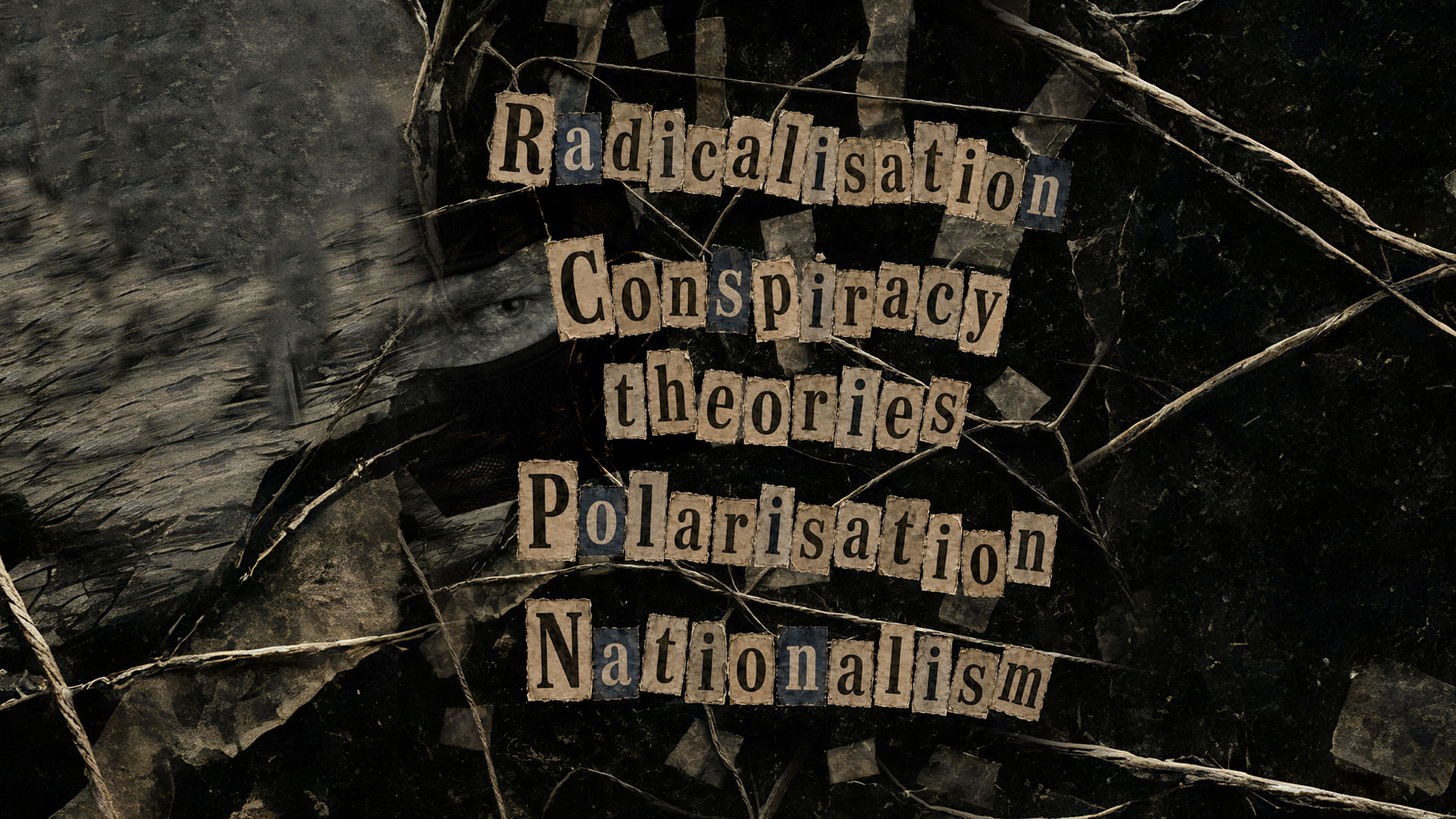
New Extremist Trends in Serbia: Anti-System Extremism, Extremist Telegram Channels and Eco-Extremism
Date: 30.06.2026.
Author: Gorana Pebić | Isidora Stakić | Miloš Jovanović |
This report analyses recent and so far insufficiently explored forms of extremism in Serbia, with a particular focus on anti-system extremism, the role of the Telegram digital platform and the instrumentalisation of environmental issues.