PUBLICATION: Working study
Online actions, offline harms: Case studies on Gender and Cybersecurity in the Western Balkans – Case Study Serbia
The chapter analyses the emergence and development of discriminatory narratives against the LGBTQ+ community in Serbia, and how cyberspace has provided them fertile ground, affecting the rights of LGBTQ+ people both online and offline. Using the example of EuroPride, which took place in Belgrade in 2022, it is demonstrated how digital spaces are being used as mobilizing tools by various anti-rights movements in Serbia.
Stereotypes and prejudices about gender and LGBTQ+ people have long been present in Serbian society and are deeply rooted in its male-dominated patriarchal culture. The movement against “gender ideology” is a novelty, however, and has only recently grown in numbers and influence. As in other countries in Europe and North America, the leading actors in the Serbian anti-gender movement are conservative intellectuals, right-wing groups and parties, and men’s rights organizations, all of which enjoy the support of key religious institutions. Still, the biggest surprise to many feminist and LGBTQ+ activists in Serbia has been the appearance of trans-exclusionary organizations within the LGBTQ+ population, and their alliance with anti-gender groups; undermining hard-fought efforts of the country’s LGBTQ+ community.
The robust presence of these actors on the internet and in social networks, where they spread hate speech and promote anti-gender discourse – often by sharing misinformation and conspiracy theories – has increased their popularity in Serbia, helping them to mobilize Serbian citizens against the LGBTQ+ community and feminists. This facilitated a campaign to oppose the 2022 Belgrade EuroPride event and harass and intimidate participants in the EuroPride march. The Serbian establishment also played an important role in popularizing anti-gender discourse and mobilizing many citizens against EuroPride participants, by providing anti-gender actors access to the public broadcasting service (RTS) and pro-government media.
This chapter is part of the publication that explores the intersection between gender and cybersecurity across the Western Balkans. Six case studies analyze how women, girls, and LGBTQ+ people have been pushed out of cyberspaces by abuses that violate their rights. Researchers from these economies delve into the forms and effects of online violence on women and girls, in both cyberspace and the real world, as well as how anti-LGBTQ+ narratives in online spaces are impacting the legal realization of their rights.
The detailed report for the whole region is available here.
This publication is an initiative of DCAF – Geneva Centre for Security Sector Governance, in the context of the project, ‘Good Governance in Cybersecurity in the Western Balkans’, supported by the UK’s Foreign, Commonwealth and Development Office (FCDO).
DETAILS
DATE: 25.10.2023
TOPICS: BSCP, Cyber Security, Gender and Security
TYPE: Working study
DOI Number: <a href="" target="blank">
AUTHORS




SHARE
PDF PREVIEW
RELATED
Datum: 06.08.2026.
Autor: Beogradski centar za bezbednosnu politiku
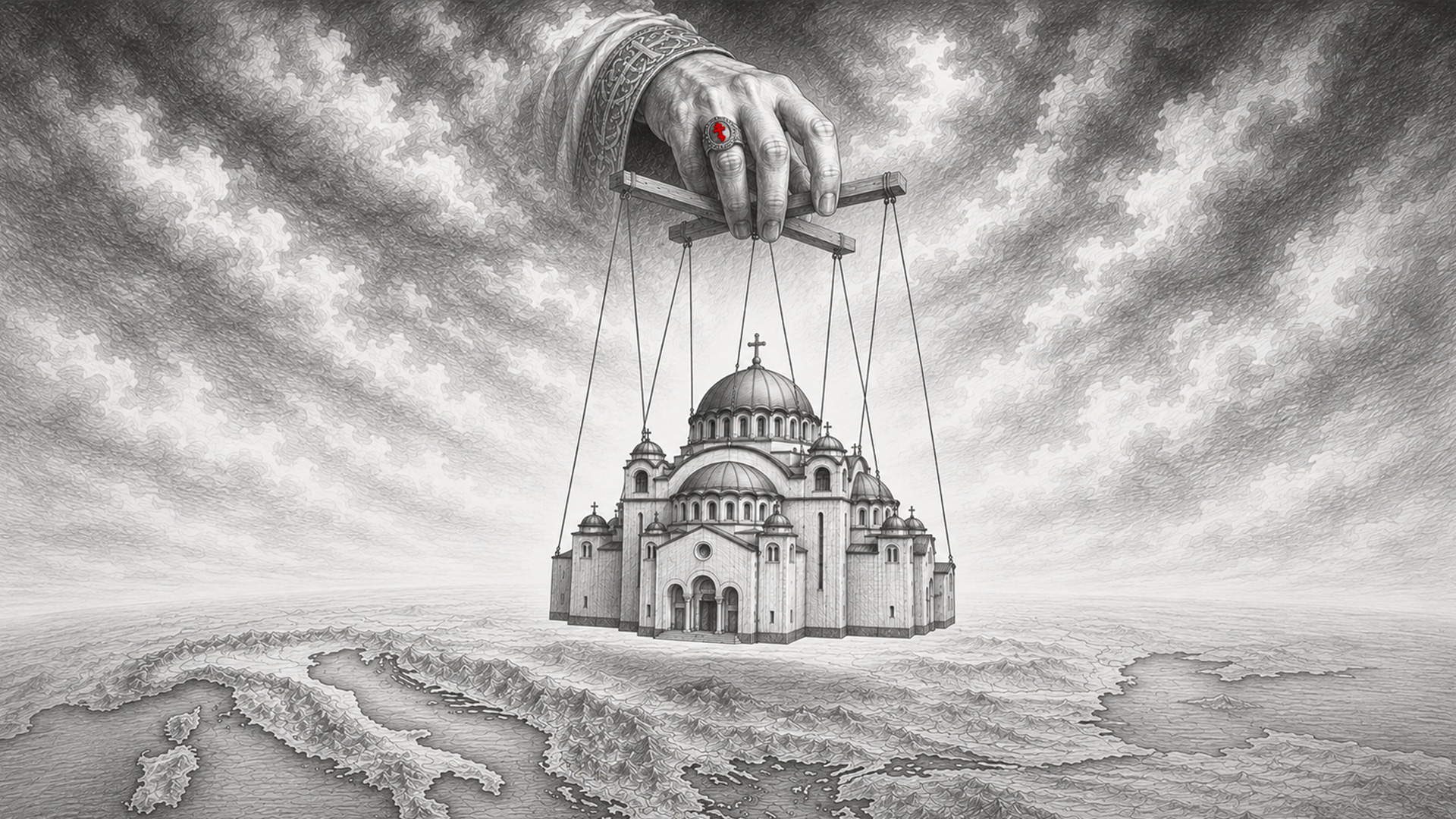
The chapter analyses the emergence and development of discriminatory narratives against the LGBTQ+ community in Serbia, and how cyberspace has provided them fertile ground, affecting the rights of LGBTQ+ people both online and offline. Using the example of EuroPride, which took place in Belgrade in 2022, it is demonstrated how digital spaces are being used as mobilizing tools by various anti-rights movements in Serbia.

Datum: 21.07.2026.
Autor: Beogradski centar za bezbednosnu politiku
In November 2025, the Belgrade Centre for Security Policy published the policy brief Political and Institutional Crisis in Serbia: Possible Scenarios. The brief outlined four scenarios and their corresponding outcomes.
New Extremist Trends in Serbia: Anti-System Extremism, Extremist Telegram Channels and Eco-Extremism
Datum: 30.06.2026.
Autor: Beogradski centar za bezbednosnu politiku
This report analyses recent and so far insufficiently explored forms of extremism in Serbia, with a particular focus on anti-system extremism, the role of the Telegram digital platform and the instrumentalisation of environmental issues.