PUBLICATIONS

Date: 09.02.2026.
Author: Maja Bjeloš |
The concept of the “colour revolution” has shifted from describing democratic uprisings in post-socialist states to serving as a powerful tool of authoritarian control. In Serbia, the ruling elite—drawing heavily on the Russian strategic playbook—has reframed the term as a symbol of foreign subversion aimed at overthrowing the government and destabilising the country. Since 2012, this narrative has been systematically used to delegitimise dissent, protests, and civic mobilisation.
Date: 01.02.2026.
Author: Belgrade Centre for Security Policy
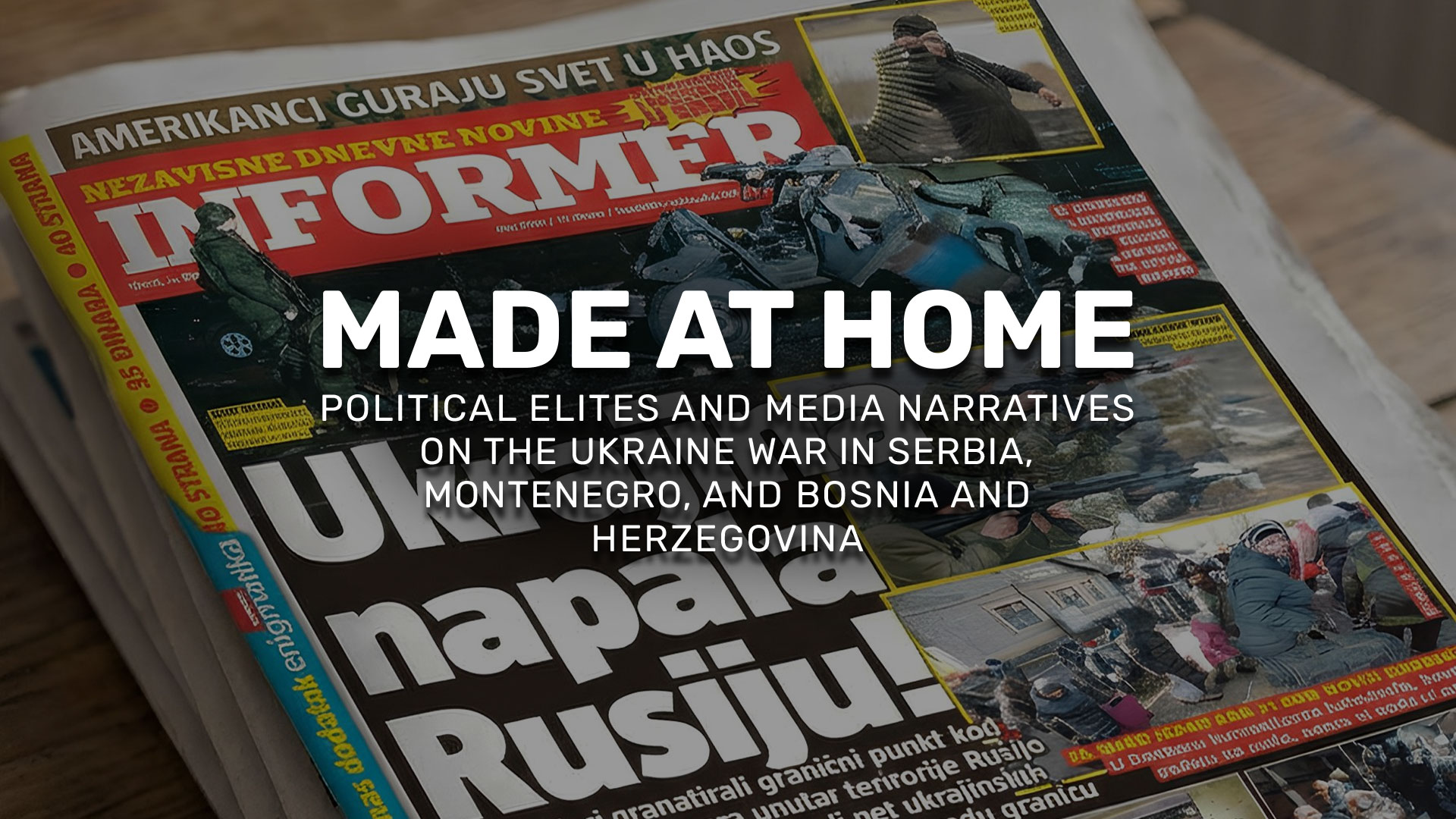
The war in Ukraine has reverberated across the Western Balkans in ways that reflect the region’s own political dynamics more than the influence of any external actor, including Russia. In Serbia, Montenegro, and Bosnia and Herzegovina, media coverage and public narratives surrounding the conflict have been shaped primarily by domestic political realities, local media structures, and long-standing identity divides.

Date: 24.12.2025.
Author: Predrag Petrović |
In the past decade, European countries have witnessed a rise in anti-establishment extremism (AEE), which challenges the modern democratic order and offers authoritarian modes of governance as a “solution” to consecutive, overlapping crises.

Date: 08.12.2025.
Author: Isidora Stakić |
Anti-systemic extremism (ASE) in Serbia has expanded amid prolonged political crises, institutional distrust, and disillusionment with the European integration. Like elsewhere in Europe, ASE thrives in periods of societal instability that expose weaknesses in democratic governance. In Serbia, authoritarian tendencies, media control, and pervasive conspiracy narratives have further fueled skepticism toward institutions and “global elites.”

Date: 07.11.2025.
Author: Dr Srđan Cvijić | Igor Bandović | Jelena Pejić Nikić | Marko Drajić | Predrag Petrović | Vuk Vuksanović |
The BCSP policy brief “Political and Institutional Crisis in Serbia: Possible Scenarios (November 2025 – June 2026)” analyses the country’s deepest political and institutional turmoil in over a decade, rooted in systemic corruption, impunity and the erosion of public trust following the Novi Sad tragedy.

Date: 03.11.2025.
Author: Belgrade Centre for Security Policy
This report examines the concept of the Serbian World as a framework for Serbian influence in the Western Balkans, promoted by political elites indirectly and more directly by affiliated actors in Serbia and region. While not an official state policy, the idea functions as a powerful narrative tool, blending nationalism, historical revisionism, and strategic influence to sustain Serbia’s regional leverage and consolidate domestic political control.

Date: 22.10.2025.
Author: Jelena Pejić Nikić |
This policy paper examines Western Balkan stakeholders' perspectives on what is needed for meaningful enlargement and the EU reforms they consider essential for an effective expanded Union. Field research in spring and summer 2024 included 16 high-level interviews with representatives from all six countries of the region.
Date: 13.10.2025.
Author: Belgrade Centre for Security Policy
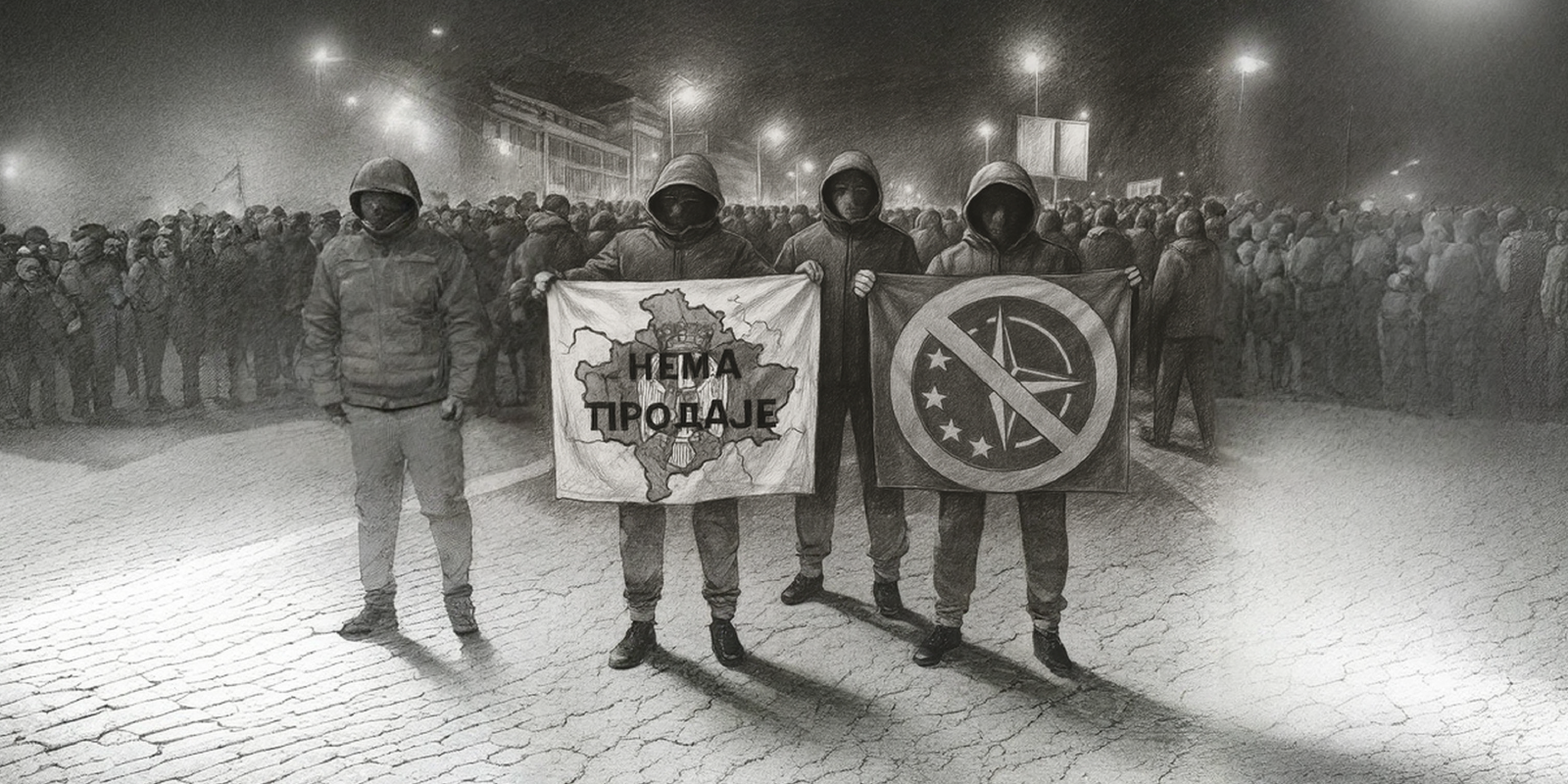
The subject of analysis is the content related to student and civic protests distributed on the Telegram channel “BUNT je stanje duha.”

Date: 04.08.2025.
Author: Vuk Vuksanović |
The analysis is based on the "Security Radar" public opinion survey conducted by the Friedrich Ebert Stiftung in selected European countries, including Serbia, and a comparison of public opinion findings for 2022 and 2025.