PUBLICATION: Analysis
Surviving the War: Russia-Western Balkan Ties After the War in Ukraine
Russia’s invasion of Ukraine in February 2022 pushed Europe into a new era of instability. The fundamentals of the continent’s political and economic order are shifting as Russia’s brutal methods of war undermine the prospects of the slightest cooperation between Moscow and European states.
Decades-old trade links have been severed, transport corridors rerouted, and people-to-people contacts have become more scarce than ever. Europe is reshaping its security architecture around Russia as the main threat, while Moscow frames its aggression against Ukraine as an existential defensive war with a duplicitous West.
The only European region that stands out in this process of growing mutual alienation is the Western Balkans. More than a year into the war, Russia’s relations with several Balkan states appear to have undergone little change. Serbia is eagerly continuing with energy deals with Gazprom, Bosnian Serb leaders frequent Moscow on official visits, and some leading Montenegrin parties are sticking to pro-Russian slogans. It would appear that time stands still in the Western Balkans, with petty local grievances overriding major global developments
This publication was produced with the support of the Open Society Foundations (OSF). Responsibility for the content of this publication belongs solely to Belgrade Centre for Security Policy.
Skip to PDF content
Tags:
DETAILS
AUTHORS

SHARE
PDF PREVIEW
RELATED
Datum: 06.08.2026.
Autor: Maksim Samorukov |
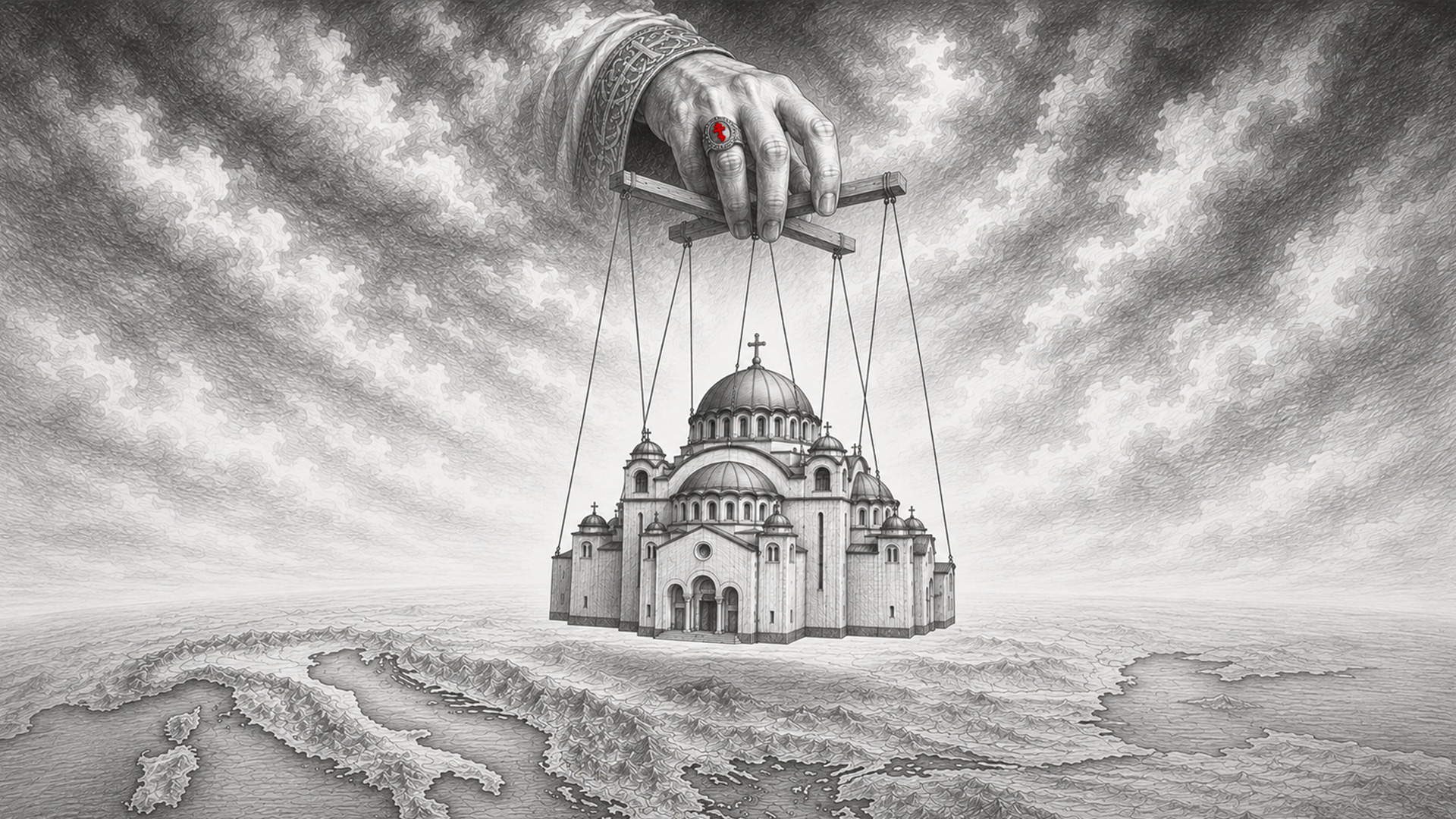
Russia’s invasion of Ukraine in February 2022 pushed Europe into a new era of instability. The fundamentals of the continent’s political and economic order are shifting as Russia’s brutal methods of war undermine the prospects of the slightest cooperation between Moscow and European states.

Datum: 21.07.2026.
Autor: Beogradski centar za bezbednosnu politiku
In November 2025, the Belgrade Centre for Security Policy published the policy brief Political and Institutional Crisis in Serbia: Possible Scenarios. The brief outlined four scenarios and their corresponding outcomes.
New Extremist Trends in Serbia: Anti-System Extremism, Extremist Telegram Channels and Eco-Extremism
Datum: 30.06.2026.
Autor: Beogradski centar za bezbednosnu politiku
This report analyses recent and so far insufficiently explored forms of extremism in Serbia, with a particular focus on anti-system extremism, the role of the Telegram digital platform and the instrumentalisation of environmental issues.