PUBLICATION: Analysis
Resolve to Protect: The War in Ukraine and Challenges to Protecting Civilians in Evolving Warfare Dynamics
What can the states and governments do to protect civilians in conflict and prevent further civilian losses in war in Ukraine? Read about it in the new analysis written by a member of the BCSP International Advisory Committee, Marta Martinelli.
The war in Ukraine marks a turning point in the history of Europe and of the relations between the West and Russia, as well as more broadly, the configuration of alliances that the conflict contributes to shaping as it protracts and evolves. The situation in Ukraine is a powerful indication of a world we used to take for granted. The old framework provided a more or less reliable ecosystem designed to provide predictability and a level of stability acceptable to the world’s large powers. It included the use of diplomacy to address international confrontations, reliance on international law to regulate relations amongst states including in the conduct of hostilities, and a general ‘agreement’ that provoking a direct confrontation between Russia and the West belonged to the realm of the irrational and unacceptable.
That predictability was shattered in February 2022. If there is one element that emerges starkly from the conduct of the war in Ukraine, it is the insignificance of diplomacy to restore peace and the total disregard for International Humanitarian Law and civilians caught in the war. Whilst not new to contemporary conflicts (as seen in Darfur, the Central African Republic, Yemen, and Syria, amongst others) the scale and speed of the harm inflicted to civilians and civilian infrastructure in Ukraine is unprecedented, facilitated also by the use of new technologies.
DETAILS
DATE: 07.07.2023
TOPICS: BSCP, Challenges Risks and Threats
TYPE: Analysis
DOI Number: <a href="" target="blank">
AUTHORS

SHARE
PDF PREVIEW
RELATED
Date: 06.08.2026.
Author: Belgrade Centre for Security Policy
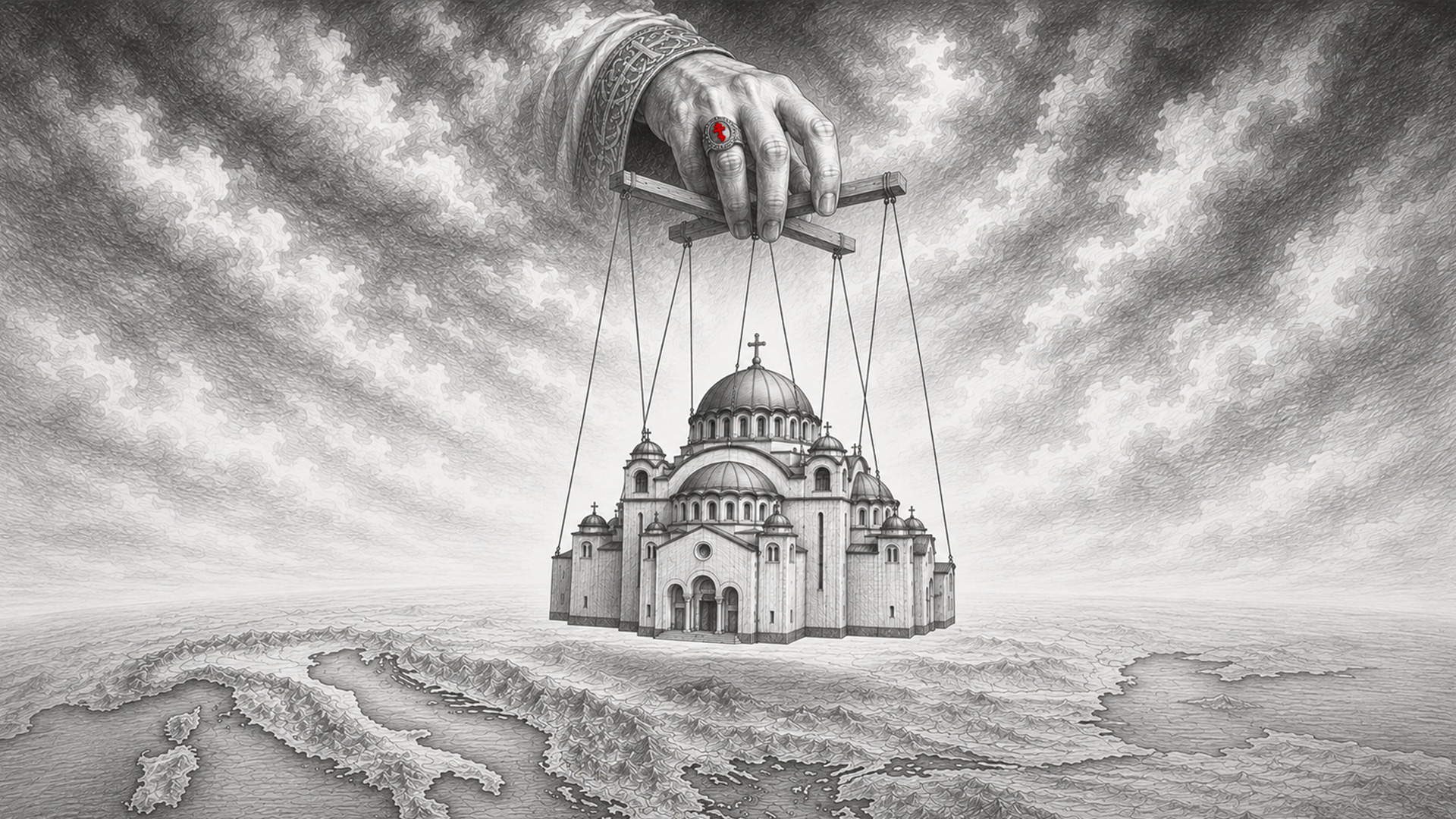
An analysis of cultural wars, anti-scientific narratives and student protests

Date: 21.07.2026.
Author: Dr Srđan Cvijić | Igor Bandović | Marko Drajić | Predrag Petrović |
In November 2025, the Belgrade Centre for Security Policy published the policy brief Political and Institutional Crisis in Serbia: Possible Scenarios. The brief outlined four scenarios and their corresponding outcomes.
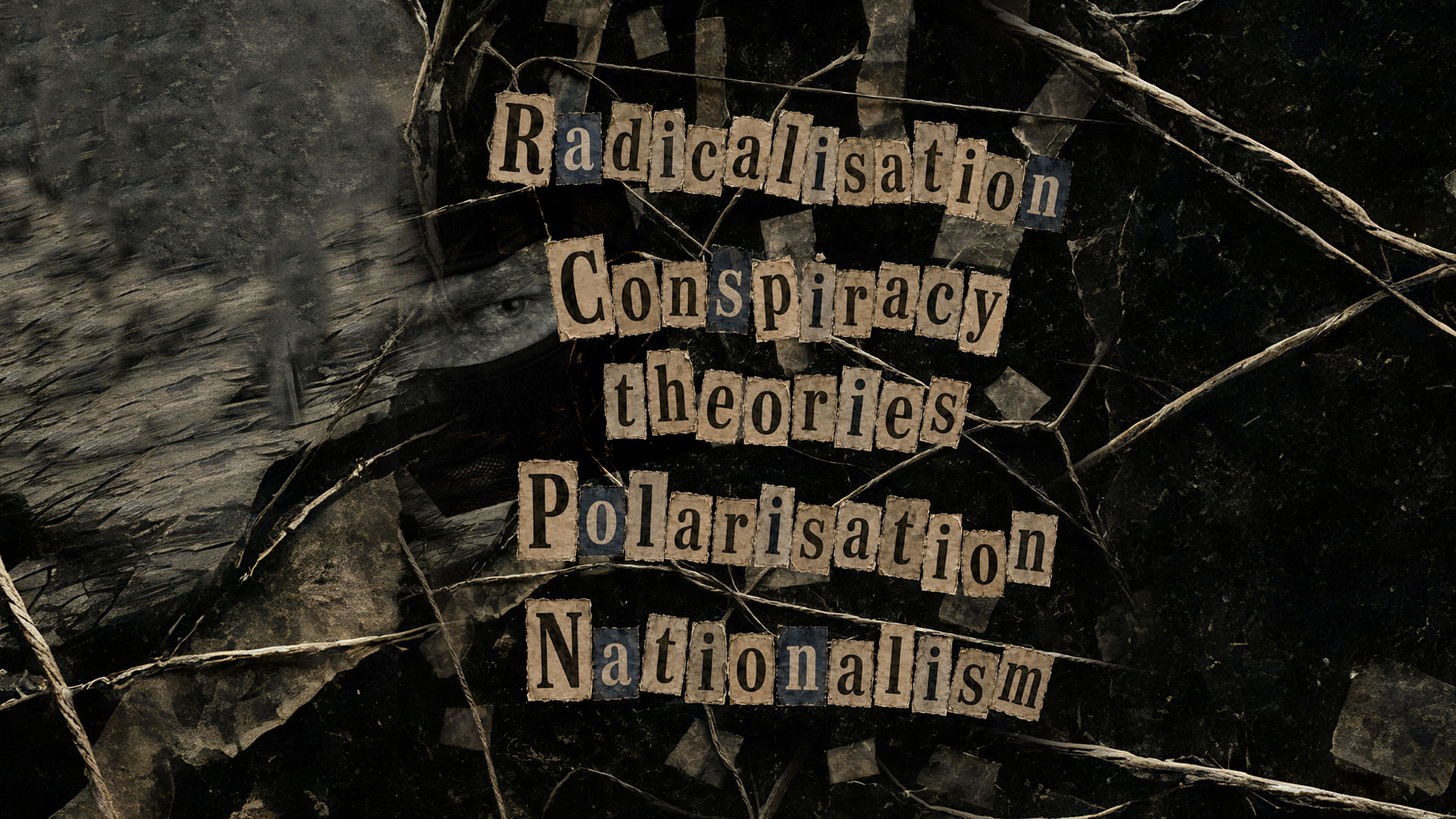
New Extremist Trends in Serbia: Anti-System Extremism, Extremist Telegram Channels and Eco-Extremism
Date: 30.06.2026.
Author: Gorana Pebić | Isidora Stakić | Miloš Jovanović |
This report analyses recent and so far insufficiently explored forms of extremism in Serbia, with a particular focus on anti-system extremism, the role of the Telegram digital platform and the instrumentalisation of environmental issues.