PUBLICATION: Working study
The Demarcation Process between Serbia and Montenegro
In this study we explored how the incomplete demarcation process influences local communities and what their priorities are concerning this issue. It has been five years since Serbia and Montenegro became separate countries. The process of demarcating the border between two countries started in 2008 when a commission for delimitation was created. ...
In this study we explored how the incomplete demarcation process influences local communities and what their priorities are concerning this issue.
It has been five years since Serbia and Montenegro became separate countries. The process of demarcating the border between two countries started in 2008 when a commission for delimitation was created. The negotiations halted when Montenegro recognized Kosovo’s independence, because Serbia did not want to take part in negotiations about borders if Kosovo was not included in the process as part of Serbia. Negotiations resumed in March 2011, but there is still a long way to go in order to reach an agreement on state borders.
People living in the border areas have still not got used to crossing the border at border crossings and still have difficulties getting used to procedures for selling goods from Serbia in Montenegro. Other problems they face are related to underdevelopment and migration.
BCSP will soon address authorities in Serbia and Montenegro with a list of recommendations to improve this situation.
This case study is a product of project The People’s Peacemaking Perspectives, a joint initiative implemented by Conciliation Resources and Saferworld and financed under the European Commission’s Instrument for Stability.
Tags: border, demarcation, montenegro, negotiations, process, serbia, the border
DETAILS
AUTHORS
SHARE
PDF PREVIEW
RELATED

Date: 21.07.2026.
Author: Dr Srđan Cvijić | Igor Bandović | Marko Drajić | Predrag Petrović |
In November 2025, the Belgrade Centre for Security Policy published the policy brief Political and Institutional Crisis in Serbia: Possible Scenarios. The brief outlined four scenarios and their corresponding outcomes.
Date: 28.05.2026.
Author: Belgrade Centre for Security Policy
As the coordinator of the Working Group for Chapter 24 within the National Convention on the European Union (NCEU), BCSP compiled joint comments from nine NCEU member organizations on the Draft Law on Internal Affairs, which was subject to official public debate in April 2026.
Date: 07.04.2026.
Author: Belgrade Centre for Security Policy
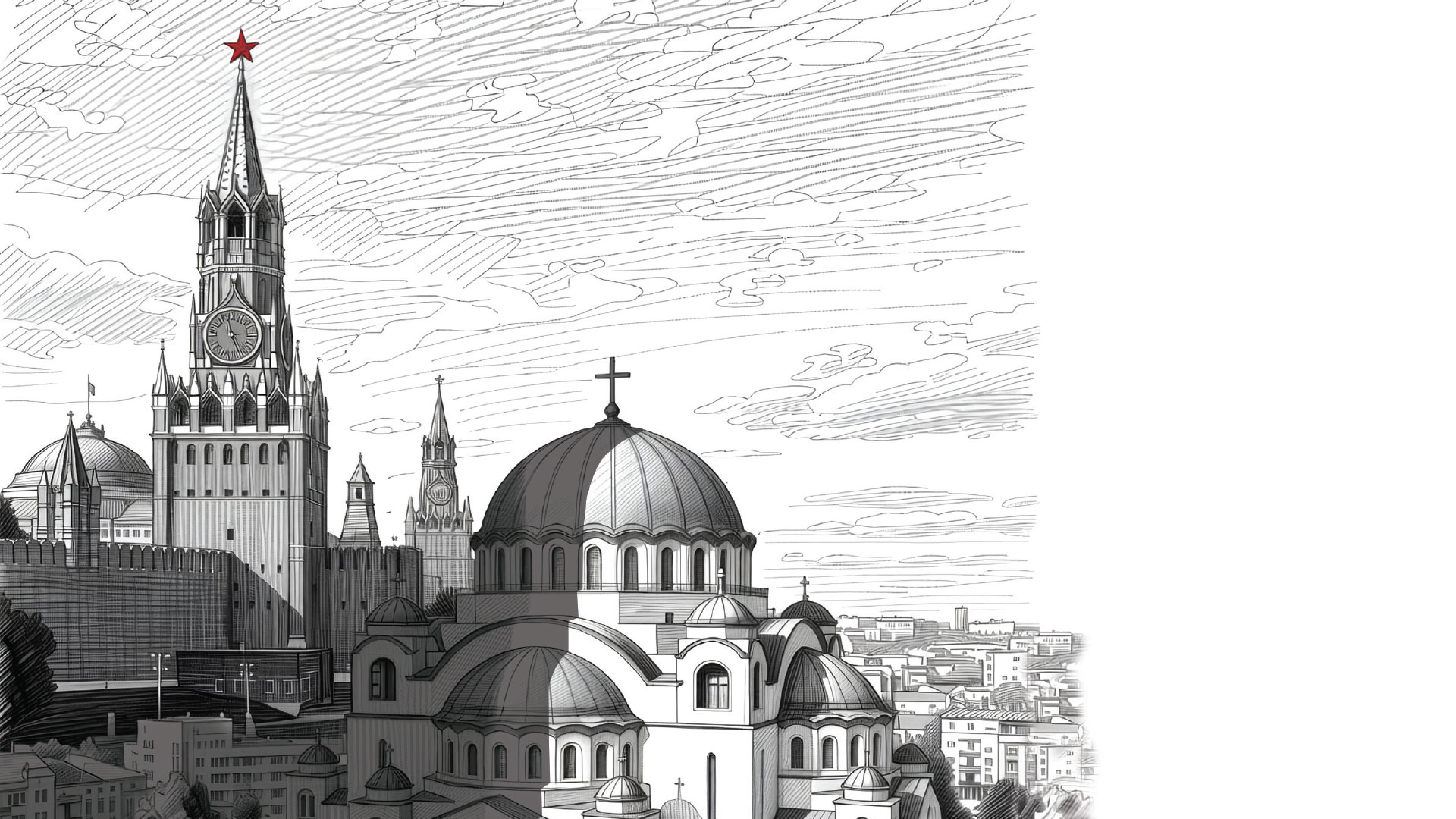
This paper examines how the Serbian Orthodox Church (SOC) is portrayed in existing research and media discourse, primarily as a major conduit of Russian influence in the Western Balkans through narratives tied to the Kremlin’s “Russian World” project and hybrid warfare activities.