PUBLICATIONS

Datum: 01.11.2023.
Autor: Beogradski centar za bezbednosnu politiku
PUBLICATIONS

Datum: 25.10.2023.
Autor: Beogradski centar za bezbednosnu politiku
The chapter analyses the emergence and development of discriminatory narratives against the LGBTQ+ community in Serbia, and how cyberspace has provided them fertile ground, affecting the rights of LGBTQ+ people both online and offline. Using the example of EuroPride, which took place in Belgrade in 2022, it is demonstrated how digital spaces are being used as mobilizing tools by various anti-rights movements in Serbia.

Datum: 17.10.2023.
Autor: Beogradski centar za bezbednosnu politiku
The aim of this study is to analyse the political debate surrounding the Jadar Project. It will present the development of the debate, the key actors, and the dominant discourses that formulated it.

Datum: 16.10.2023.
Autor: Srđan Hercigonja | Vuk Vuksanović |
Turkey’s more assertive posture towards the Balkans is neglected compared to the commentariat that deals with Russia and China. To fill this policy gap, the research team of the Belgrade Centre for Security Policy (BCSP) has conducted research based on the analysis of secondary source material and, even more importantly, on fieldwork interviews that involved 16 sources, academics and think tank researchers based in Istanbul and Ankara.

Datum: 31.07.2023.
Autor: Dušan Stanković |
This analysis is based on the public opinion survey conducted in Serbia in 2022. The research objectives were to investigate citizens’ perceptions of public safety and trust in security and justice institutions in Serbia. Public safety perceptions were divided into questions on national safety and personal safety.

Datum: 31.07.2023.
Autor: Beogradski centar za bezbednosnu politiku
People’s ever-stronger reliance on digital technologies and devices has caused states and private actors to increasingly reach for various systems and tools for the digital surveillance of citizens. Consequently, high-resolution cameras, artificial intelligence, programmes for biometric recognition, tools for automatic data collection from the Internet, and intrusive software for monitoring mobile phones have become the everyday reality of people worldwide.
Datum: 07.07.2023.
Autor: Beogradski centar za bezbednosnu politiku
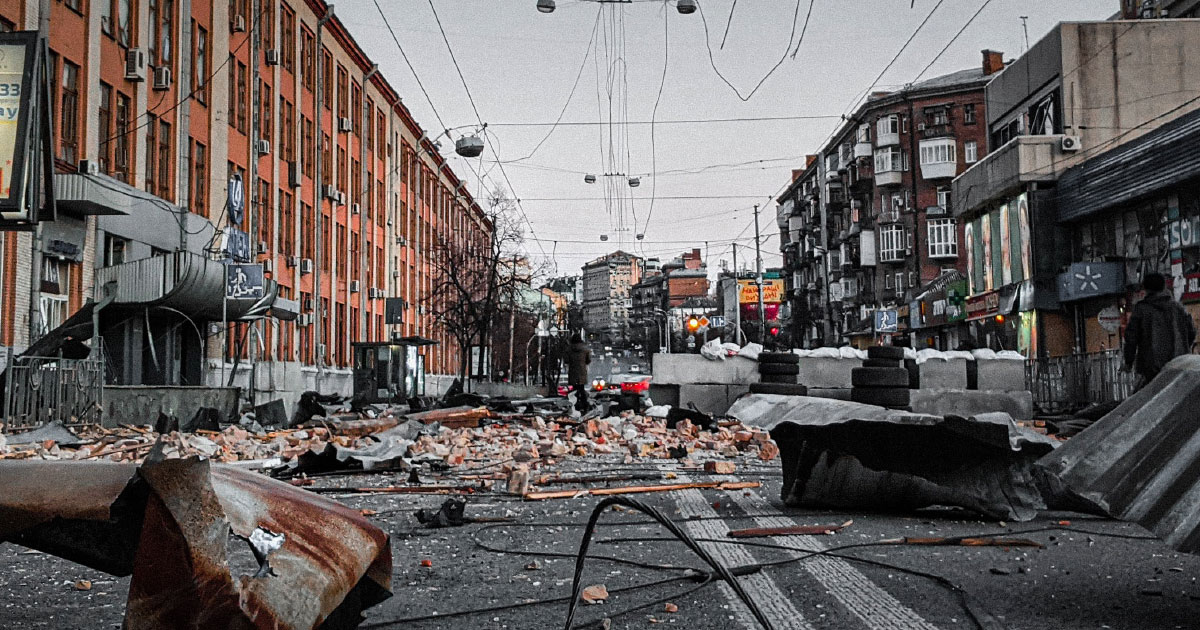
What can the states and governments do to protect civilians in conflict and prevent further civilian losses in war in Ukraine? Read about it in the new analysis written by a member of the BCSP International Advisory Committee, Marta Martinelli.
Datum: 30.06.2023.
Autor: Beogradski centar za bezbednosnu politiku
Multiple murders in Belgrade and Mladenovac at the beginning of May deeply affected Serbian society. These tragic events and the response of the competent institutions to them revealed a number of systemic problems, among which a large quantity of weapons among the citizens of Serbia without adequate control, the delay in changes to the regulations and the educational campaign on the misuse of firearms, the lack of regulations for minors in shooting ranges, violation of the rules of investigation and personal data protection. Read more about them in the brief alert BCBP researchers wrote for the prEUgovor coalition.

Datum: 27.06.2023.
Autor: Beogradski centar za bezbednosnu politiku
This publication comes after months of research conducted by the Belgrade Centre for Security Policy, in collaboration with its partners in the Western Balkans region - Kosovar Centre for Security Studies (Prishtina), Centre for Security Studies (Sarajevo), Institute Alternative (Podgorica), Institute for Democracy and Mediation (Tirana) and Institute for Democracy “Societas Civilis” (Skopje).