PUBLICATION: Analysis
Bosnia and Herzegovina Civilian Capacities for Peace Operations
Emsad Dizdarevic from Centre for Security Studies, BCSP partner on the project „Building Civilian Capacities from the Western Balkans in Peace Support Operations", analyzes Bosnia and Herzegovina civil capacities for peace missions and operations.
This paper aims to present current situation in Bosnia and Herzegovina related to the civilian capacities in the process of building and keeping peace in the world. It will analyse the legislative framework that regulates international cooperation in this regard. Bosnia and Herzegovina already contributes to the peace operations by sending their Military troops in NATO led missions as well as with Police officers in UN led missions.
During the last year, Bosnia and Herzegovina has decided to prepare all necessary conditions for sending civilians in missions abroad. In this regard, Council of Ministers of Bosnia and Herzegovina has established an inter-agency Expert team. This expert team is created with task to create the proposal regarding to the provisions for implementation of the Partnership Goal 3781 between Bosnia and Herzegovina and NATO “Stabilisation and Reconstruction – Interdepartmental Cooperation.” This Partnership Goal implies sending civilians in peace missions abroad.
Since political will for this exist, remaining challenges for Bosnia and Herzegovina are the question how to establish the personal database, the procedures necessary to work with database supposedly to track the status of civilians sent to the missions, as well as the staff training and education.
It is essential to address the issues of recruiting, training and sending civilians to the military missions, the issue of database of experts who could contribute to the implementation of the mandate of the peacekeeping mission, as well as maintaining and updating the database, status issues of people deployed as part of the international missions. Conclusively, one can say that Bosnia and Herzegovina is a positive example to the world that it is possible, despite the serious political and economic problems, to actively participate in the construction and maintenance of the world peace.

PDF PREVIEW
RELATED

Date: 21.07.2026.
Author: Dr Srđan Cvijić | Igor Bandović | Marko Drajić | Predrag Petrović |
In November 2025, the Belgrade Centre for Security Policy published the policy brief Political and Institutional Crisis in Serbia: Possible Scenarios. The brief outlined four scenarios and their corresponding outcomes.
Date: 28.05.2026.
Author: Belgrade Centre for Security Policy
As the coordinator of the Working Group for Chapter 24 within the National Convention on the European Union (NCEU), BCSP compiled joint comments from nine NCEU member organizations on the Draft Law on Internal Affairs, which was subject to official public debate in April 2026.
Date: 07.04.2026.
Author: Belgrade Centre for Security Policy
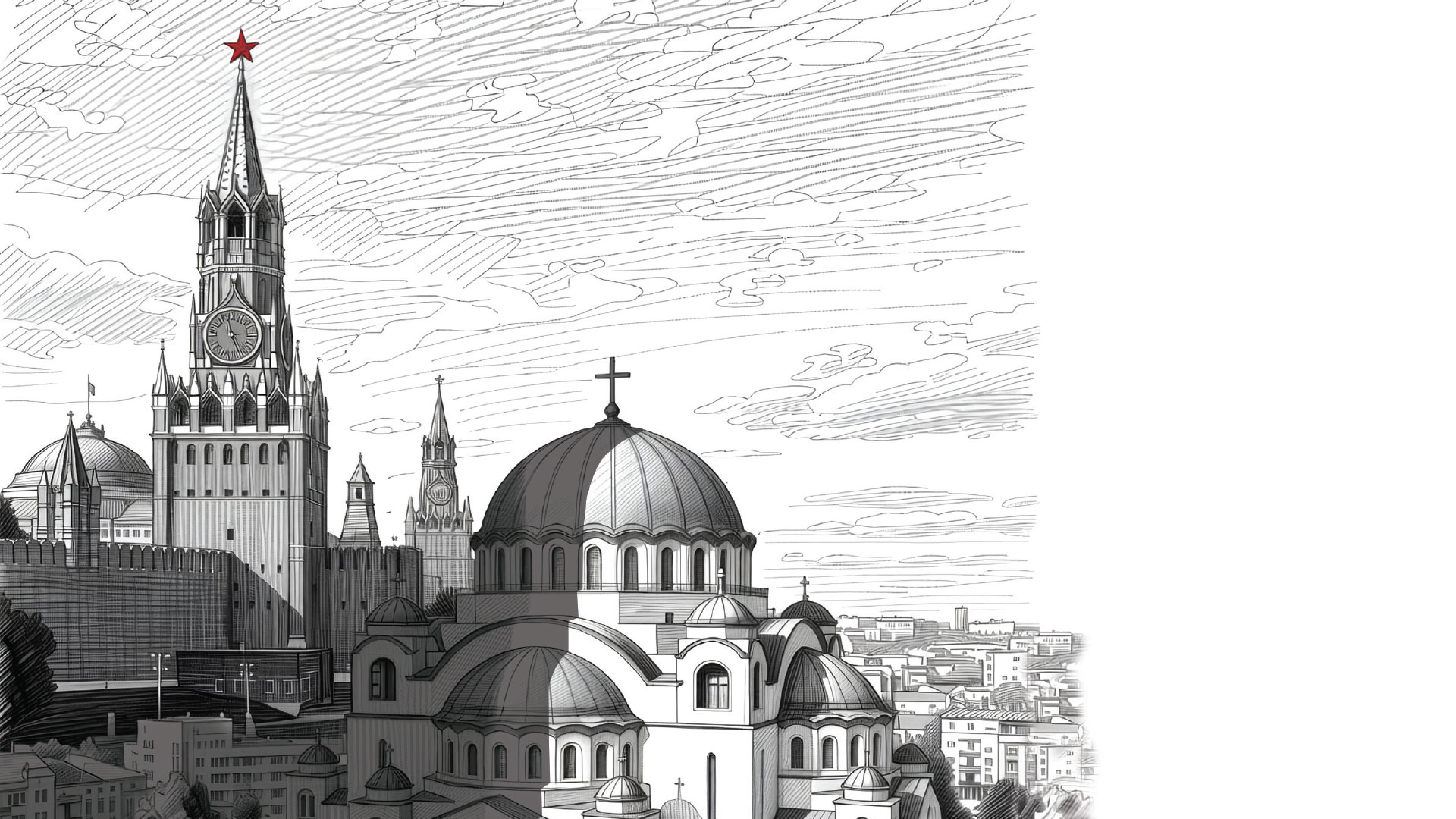
This paper examines how the Serbian Orthodox Church (SOC) is portrayed in existing research and media discourse, primarily as a major conduit of Russian influence in the Western Balkans through narratives tied to the Kremlin’s “Russian World” project and hybrid warfare activities.