PUBLICATION: Study
Who Defends the Defenders? Mechanisms for the Protection of Human Rights Defenders
Human rights defenders are people who act, individually or jointly, to advance human rights and fundamental freedoms and fight for their protection at the local, national and international levels.
As a rule, the activities of defenders are opposed to the interests of the powerful, whether they are governments or private corporations, and therefore need protection. This study analyses legal and institutional instruments for the protection of defenders at the international level and in six countries: Colombia, Mexico, DR Congo, the Philippines, Türkiye and Serbia. In these countries, human rights defenders are in a difficult position, facing numerous threats and pressures – from police repression, through defamation campaigns to legal prosecution. Thus, these are countries where there is a need for additional protection of defenders, but (still) a significant discrepancy between the normative level and practice.
The study provides an overview of the existing instruments for the protection of human rights defenders in these countries, as well as an analysis of their effectiveness in a broader socio-political context.

PDF PREVIEW
RELATED
Date: 06.08.2026.
Author: Belgrade Centre for Security Policy
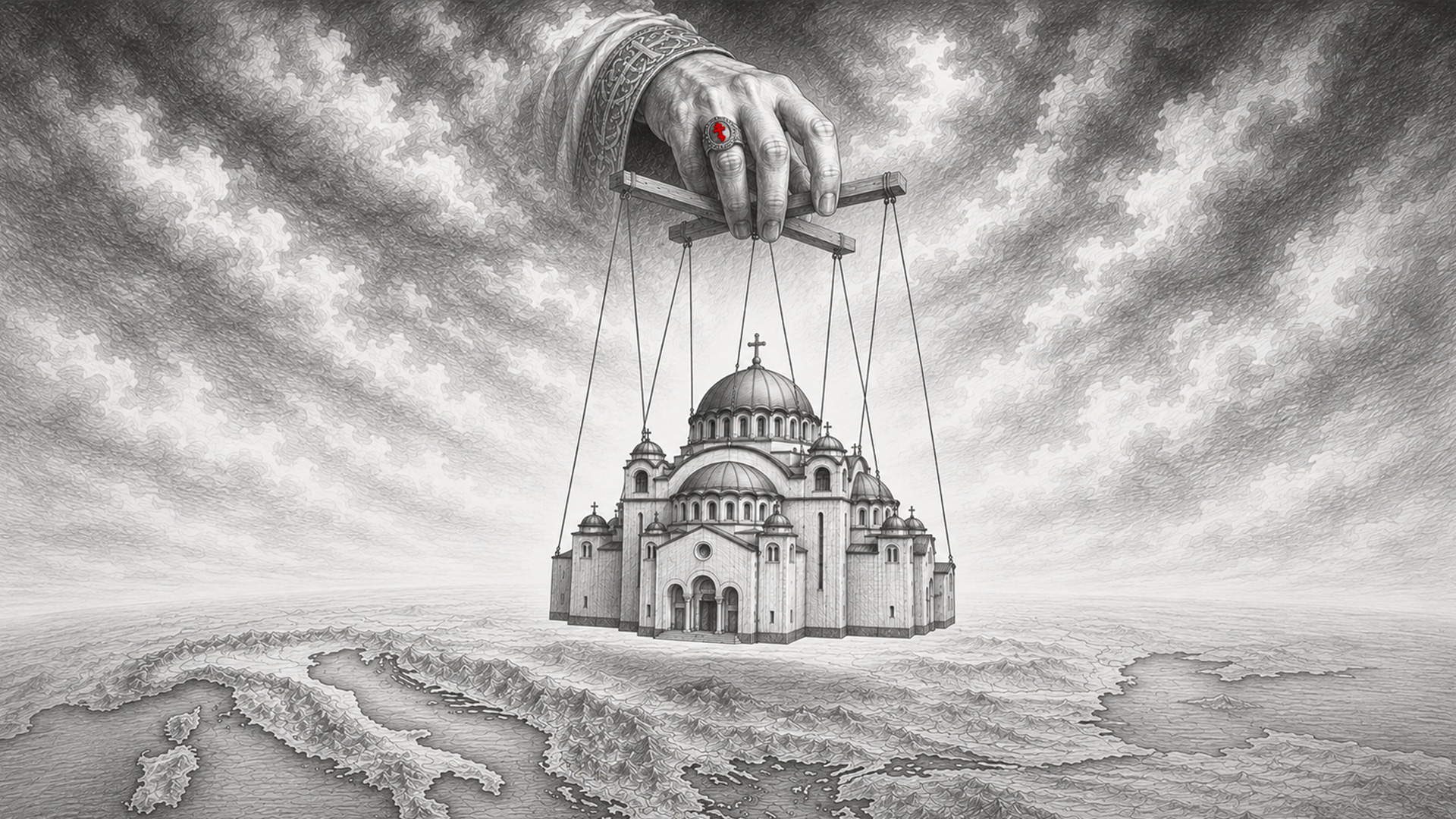
An analysis of cultural wars, anti-scientific narratives and student protests

Date: 21.07.2026.
Author: Dr Srđan Cvijić | Igor Bandović | Marko Drajić | Predrag Petrović |
In November 2025, the Belgrade Centre for Security Policy published the policy brief Political and Institutional Crisis in Serbia: Possible Scenarios. The brief outlined four scenarios and their corresponding outcomes.
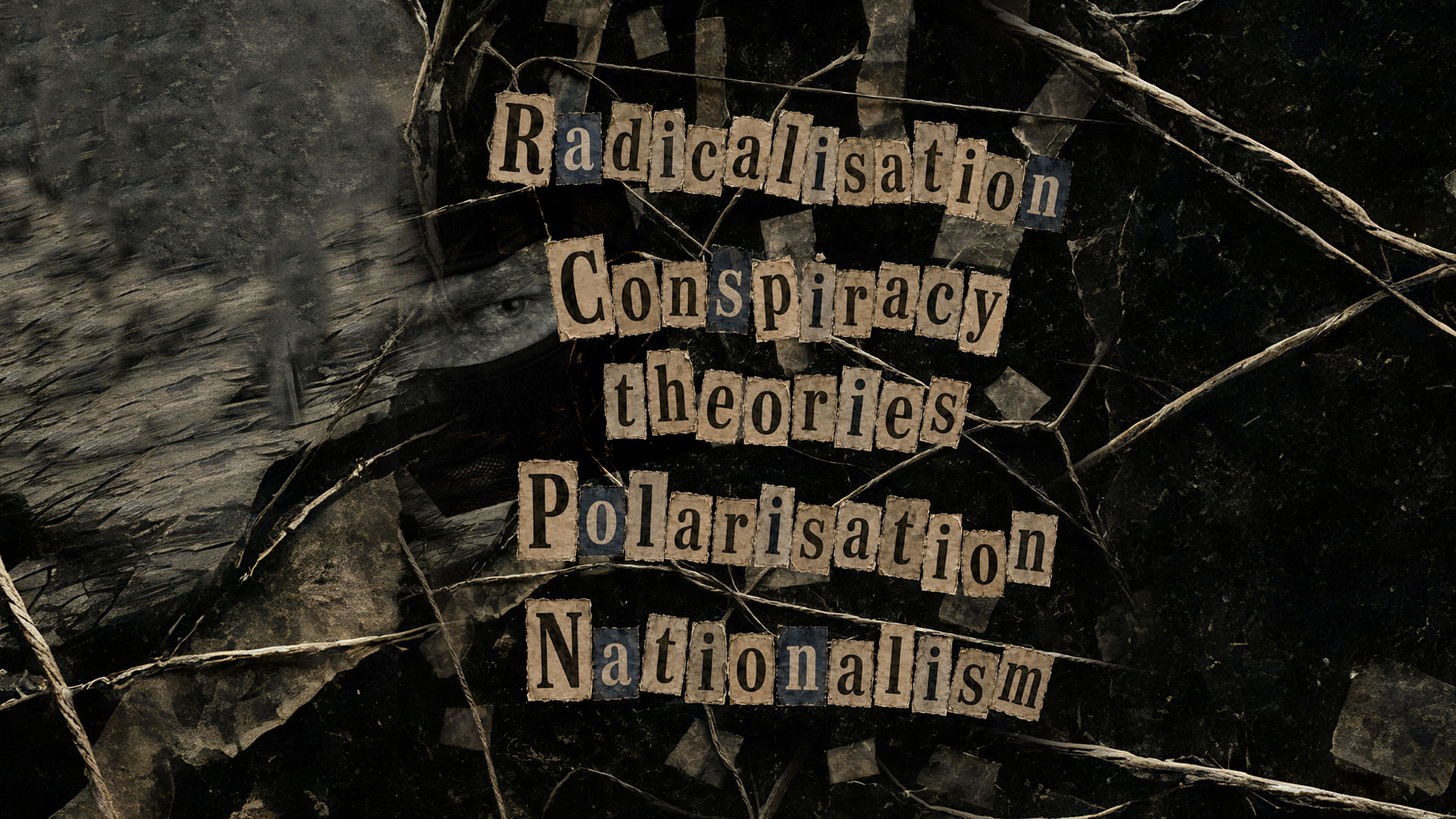
New Extremist Trends in Serbia: Anti-System Extremism, Extremist Telegram Channels and Eco-Extremism
Date: 30.06.2026.
Author: Gorana Pebić | Isidora Stakić | Miloš Jovanović |
This report analyses recent and so far insufficiently explored forms of extremism in Serbia, with a particular focus on anti-system extremism, the role of the Telegram digital platform and the instrumentalisation of environmental issues.